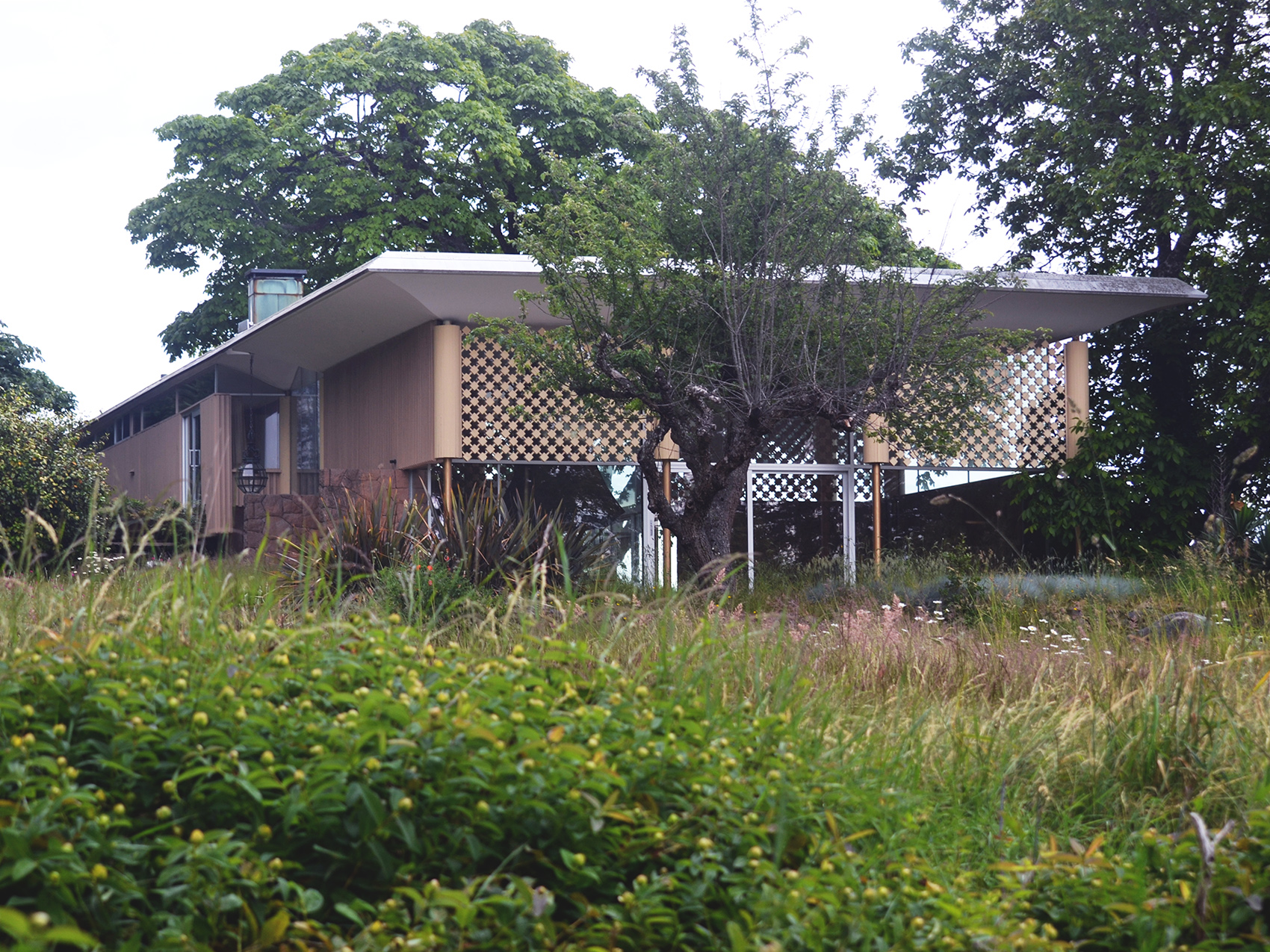
Steve Gairns (2021)
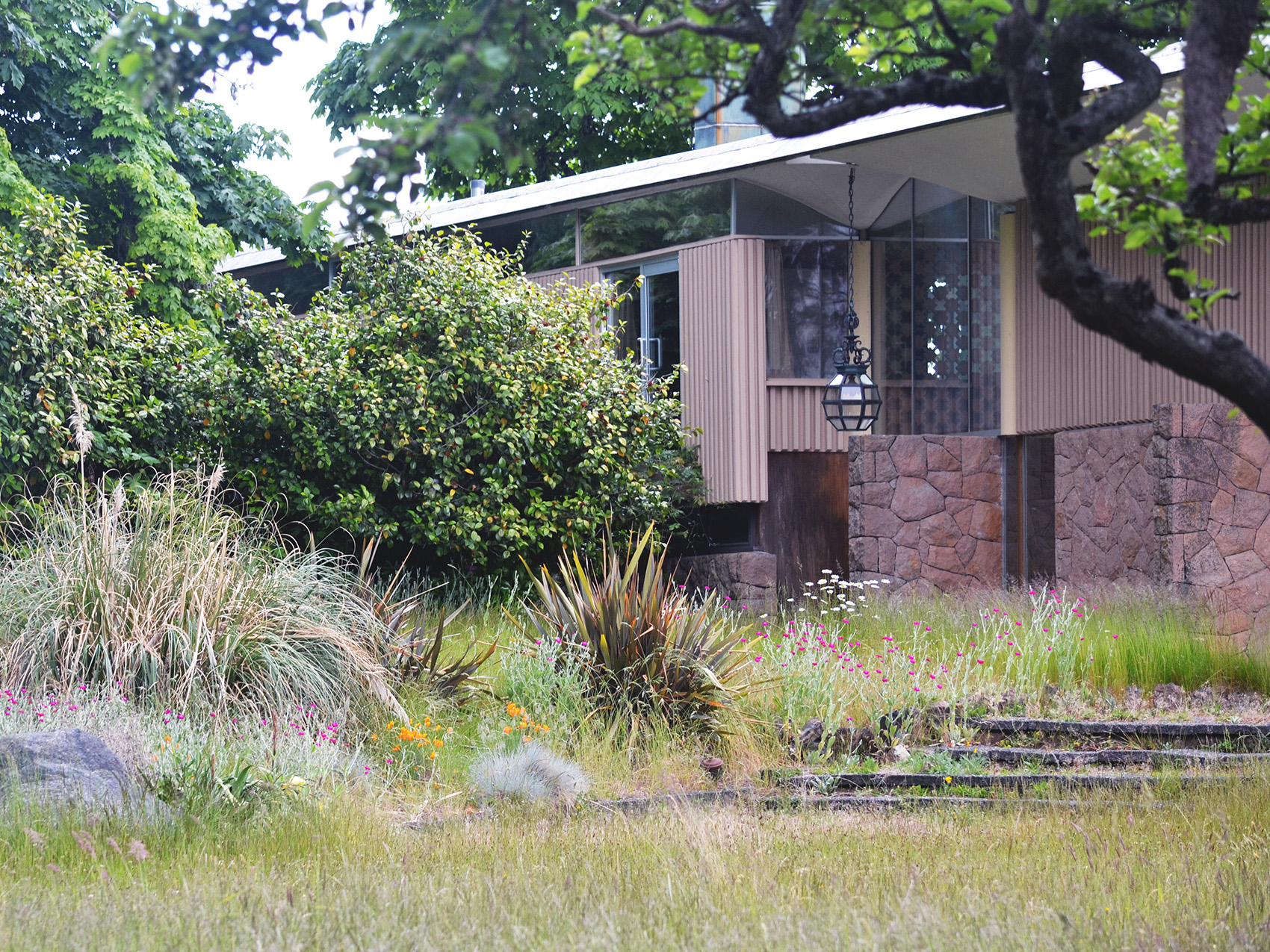
Steve Gairns (2021)
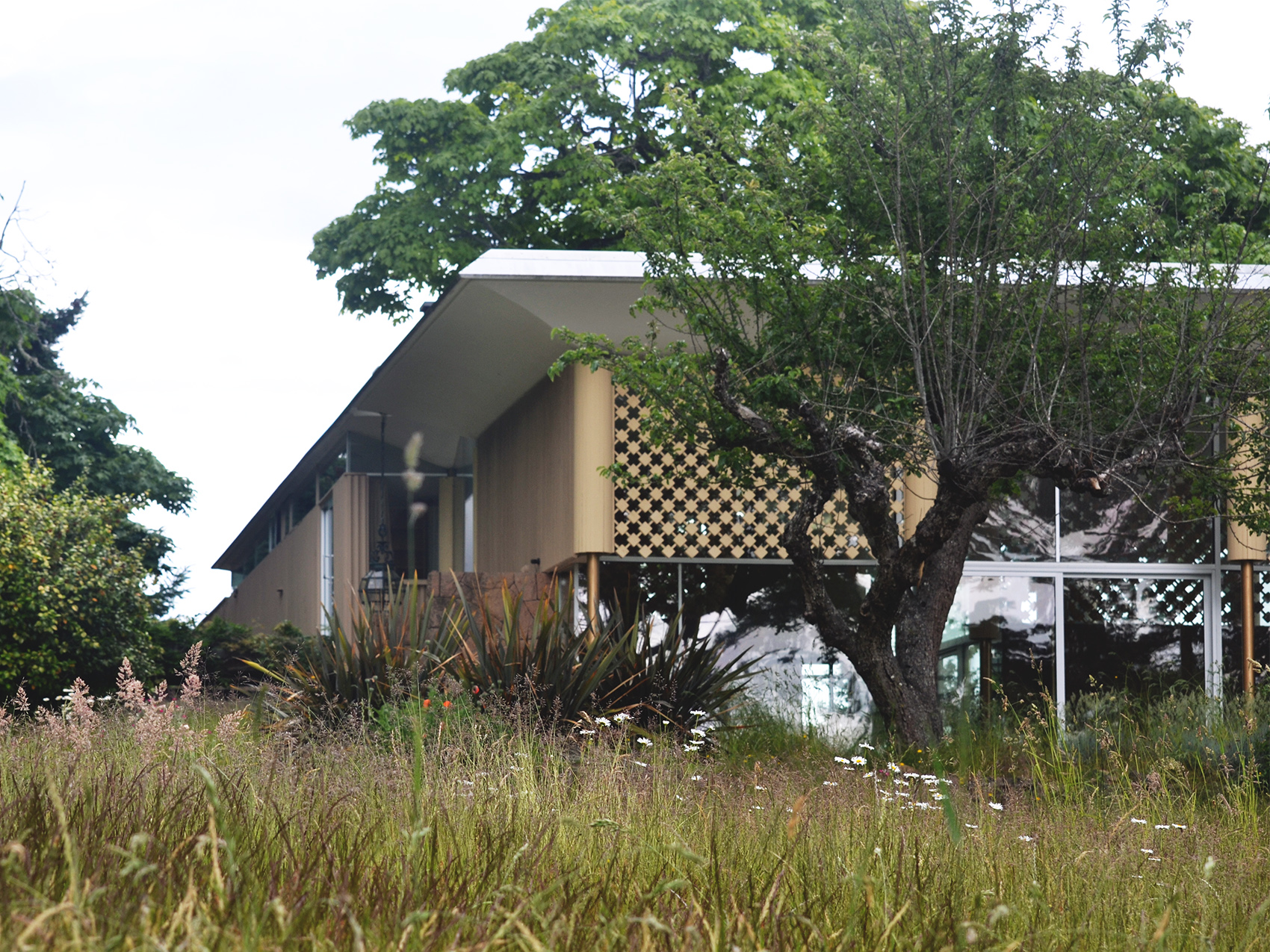
Steve Gairns (2021)
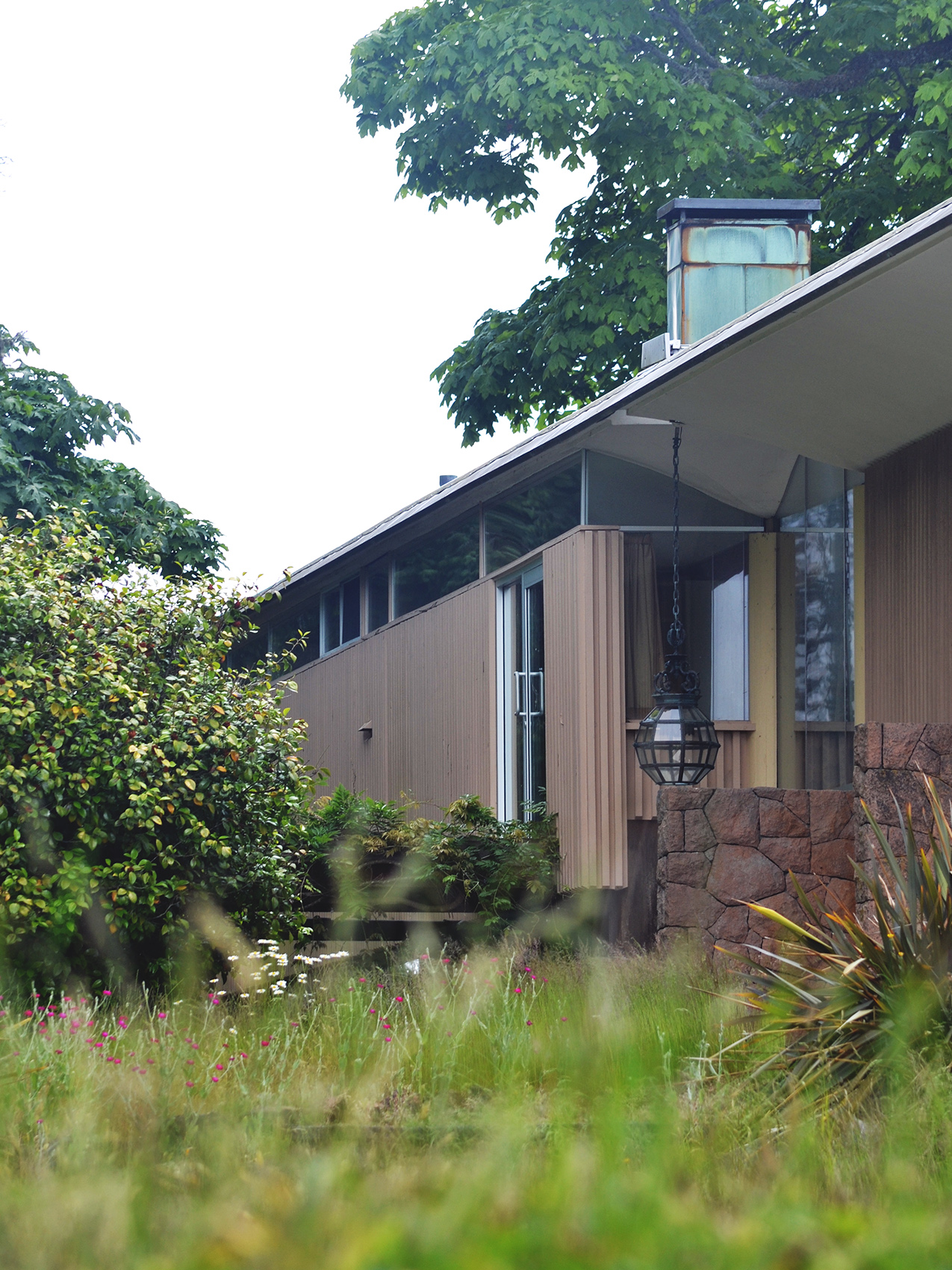
Steve Gairns (2021)
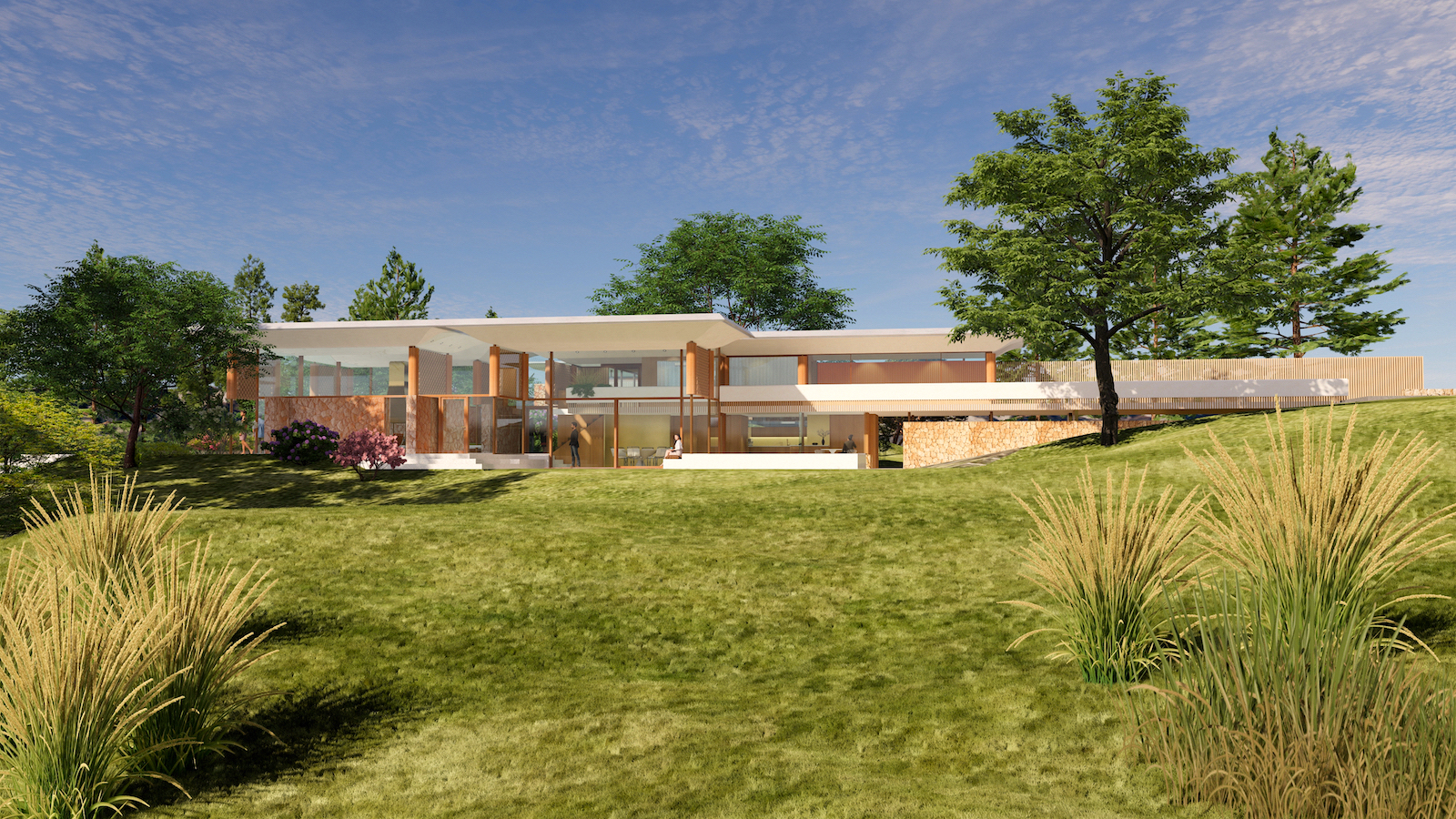
Restoration/addition conceptualized by Studio Erickson (2023).
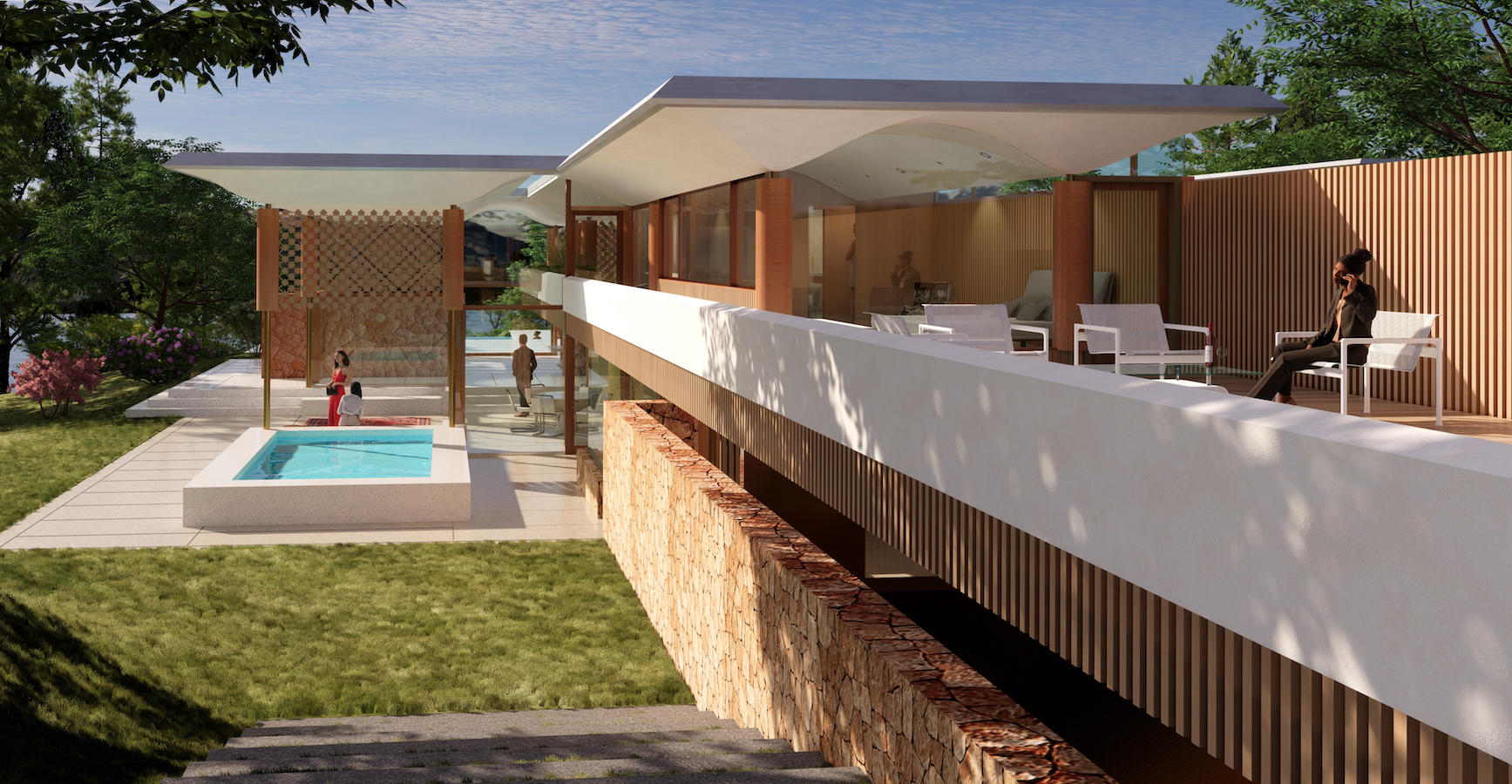
Restoration/addition conceptualized by Studio Erickson (2023).
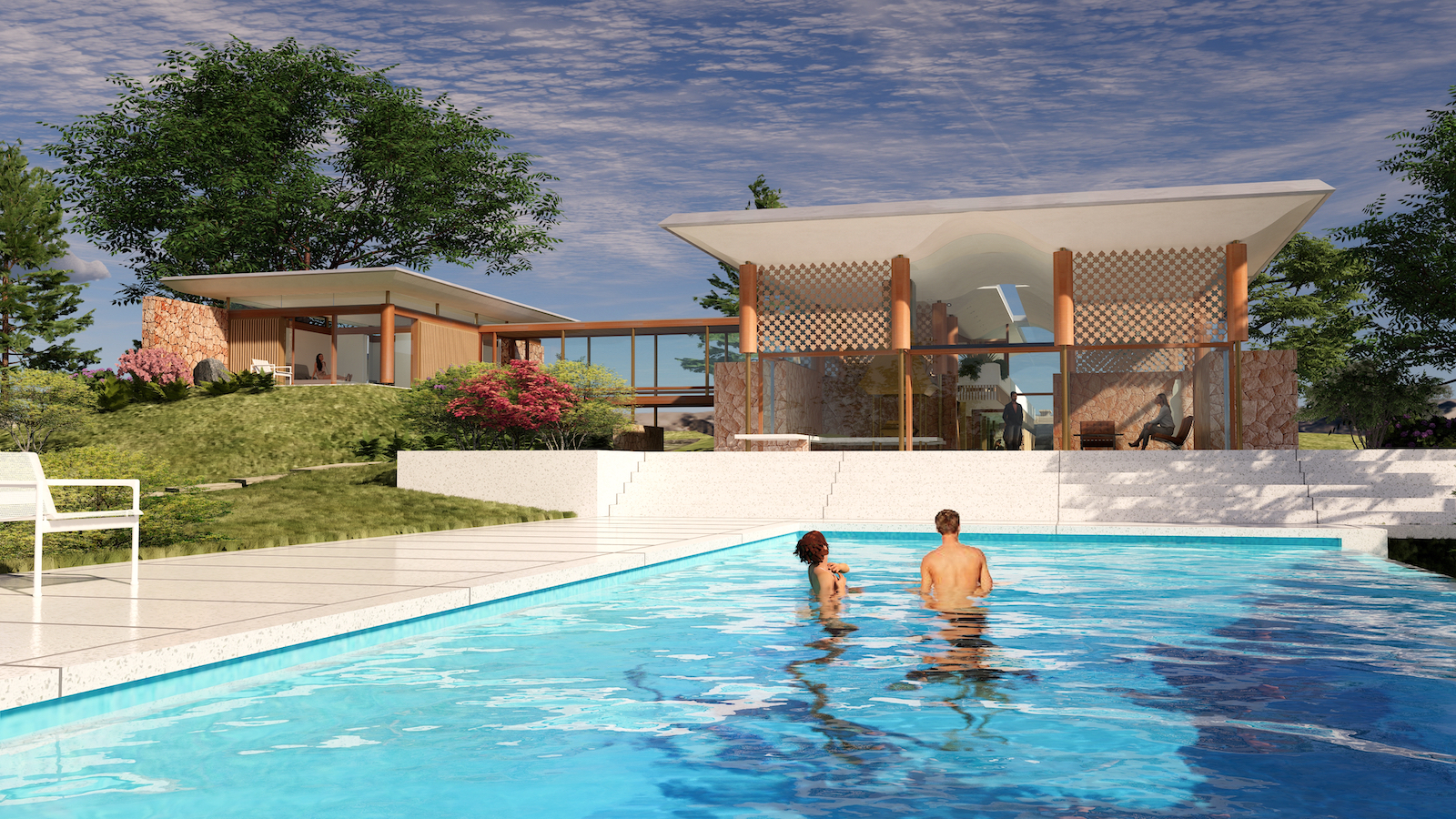
Restoration/addition conceptualized by Studio Erickson (2023).
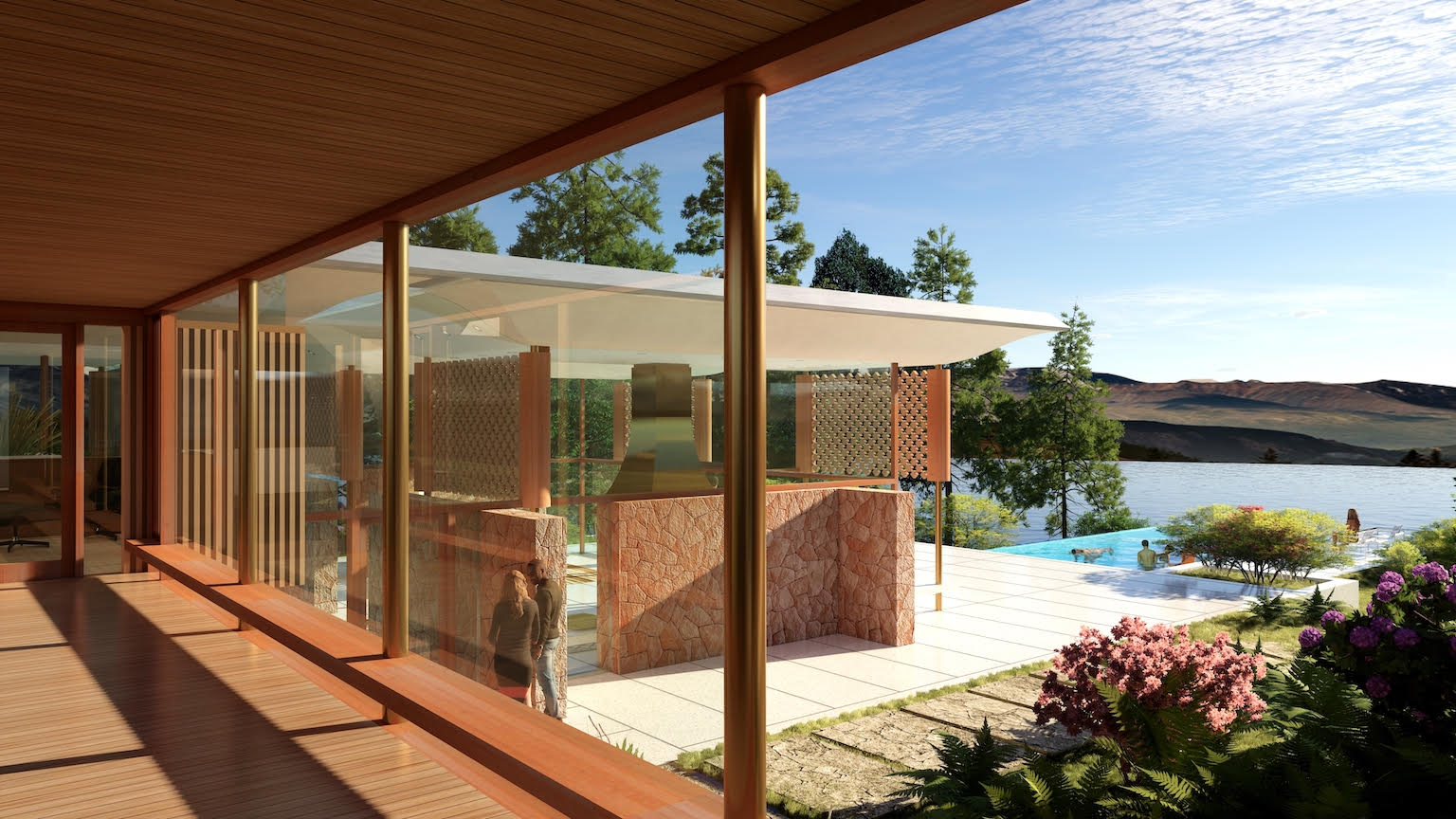
Restoration/addition conceptualized by Studio Erickson (2023).
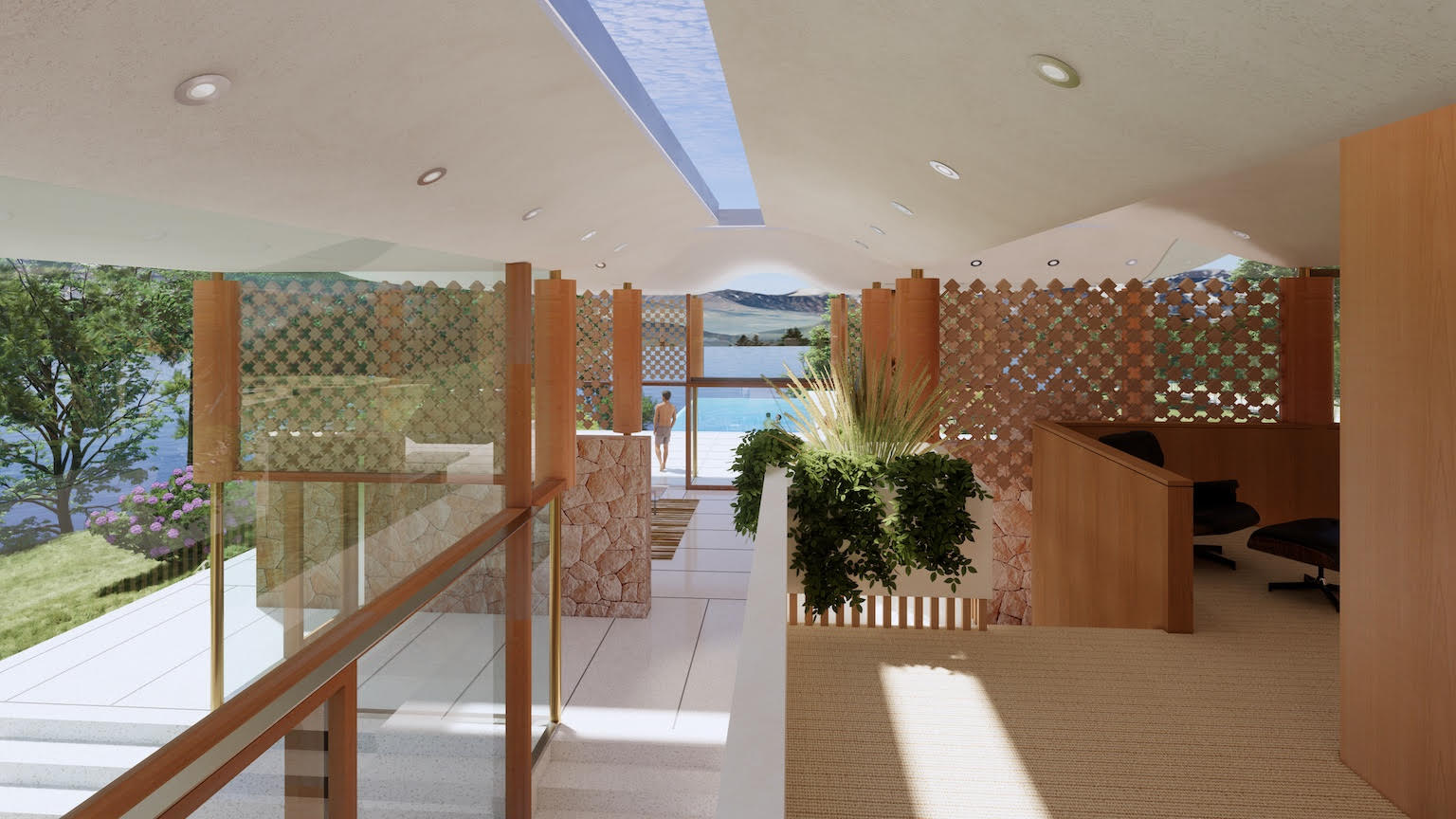
Restoration/addition conceptualized by Studio Erickson (2023).
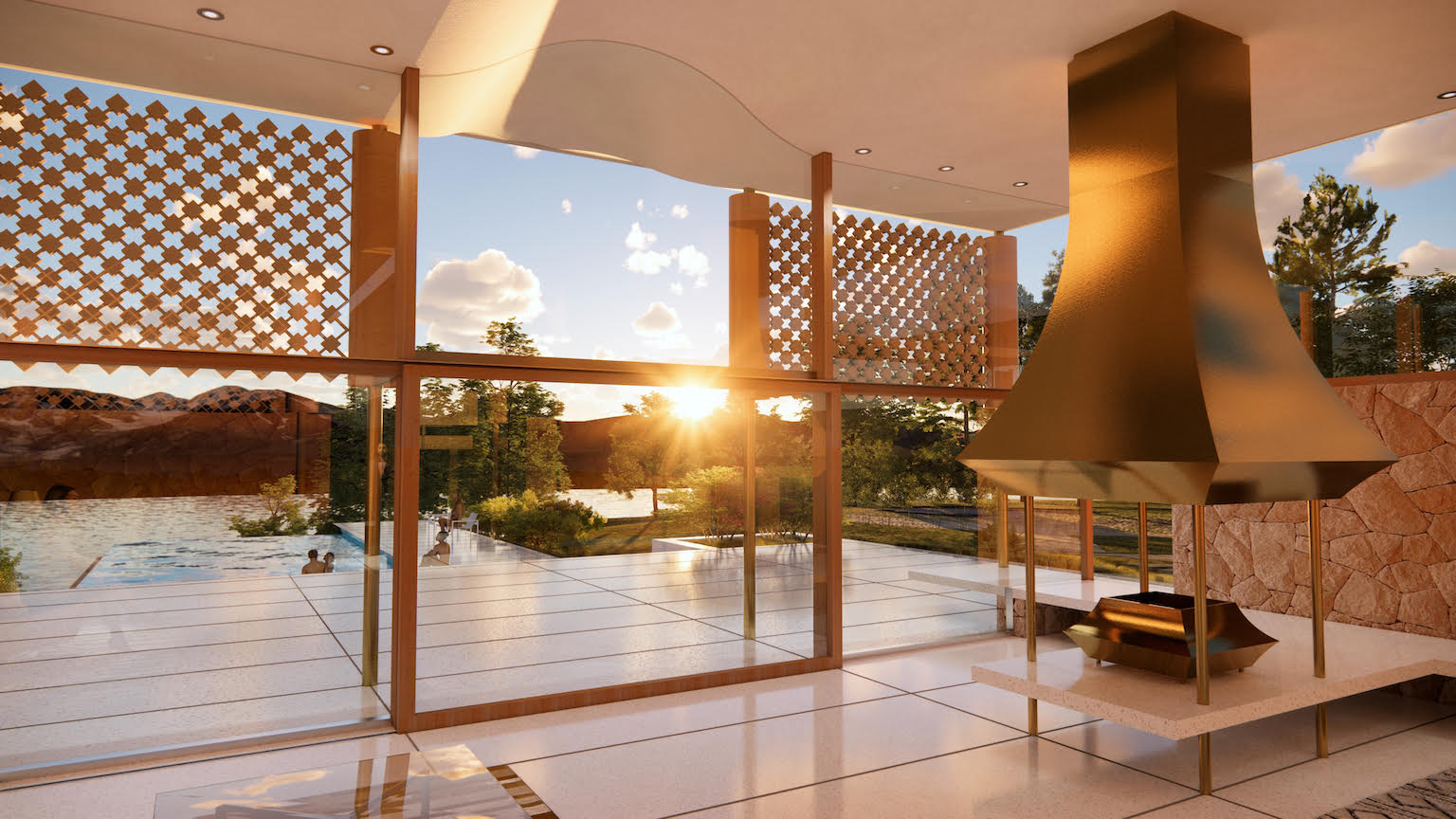
Restoration/addition conceptualized by Studio Erickson (2023).
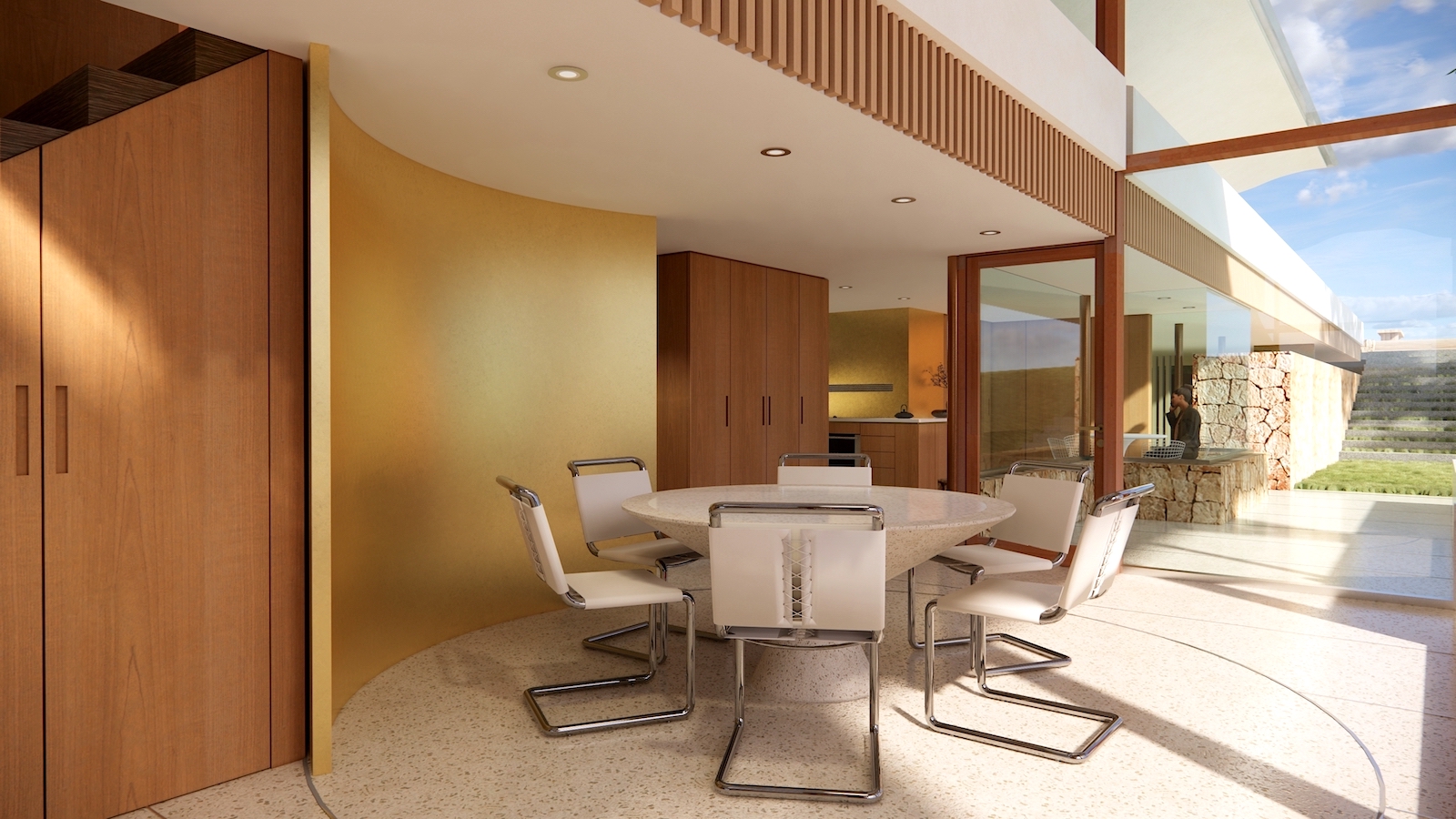
Restoration/addition conceptualized by Studio Erickson (2023).
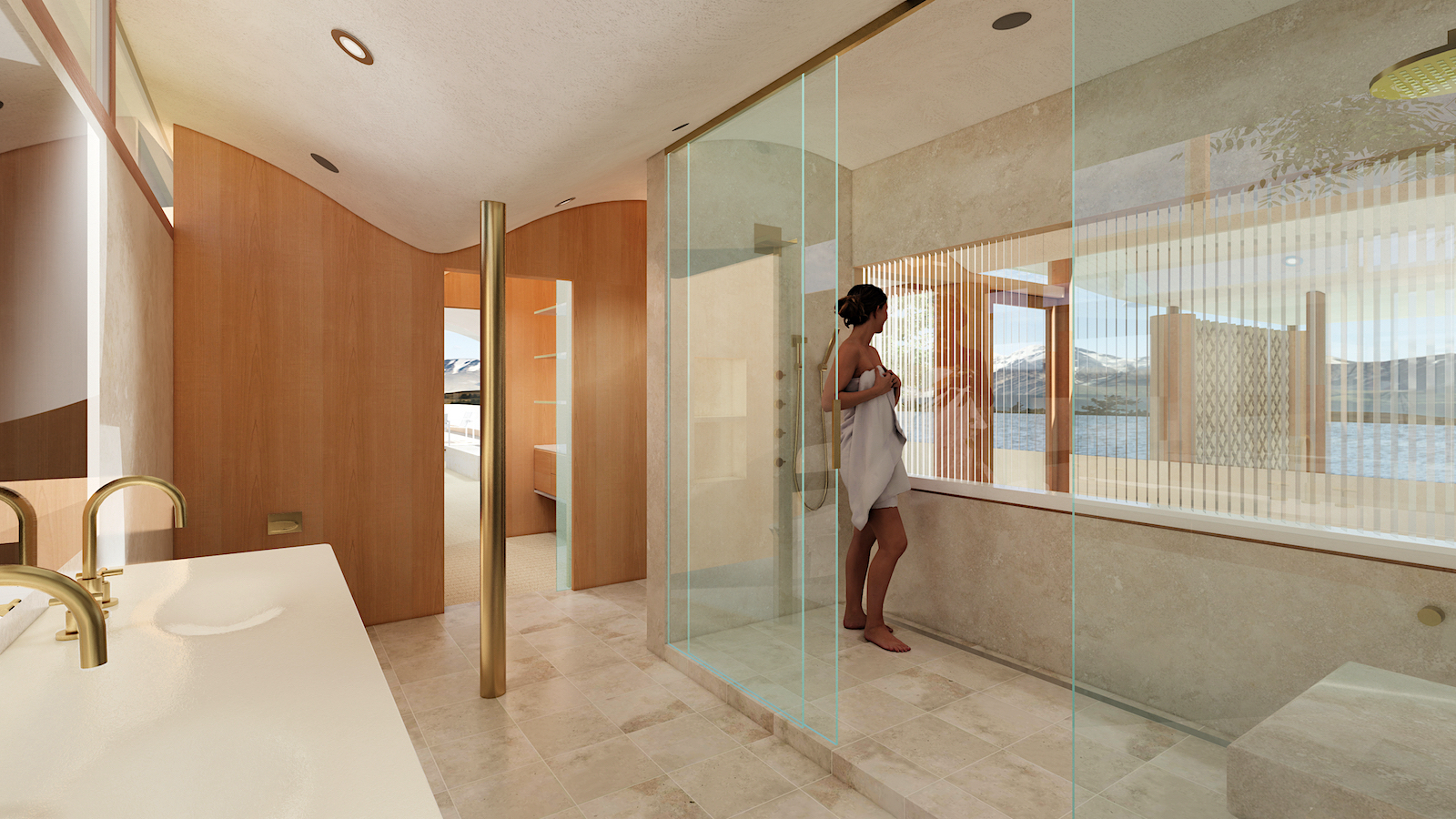
Restoration/addition conceptualized by Studio Erickson (2023).
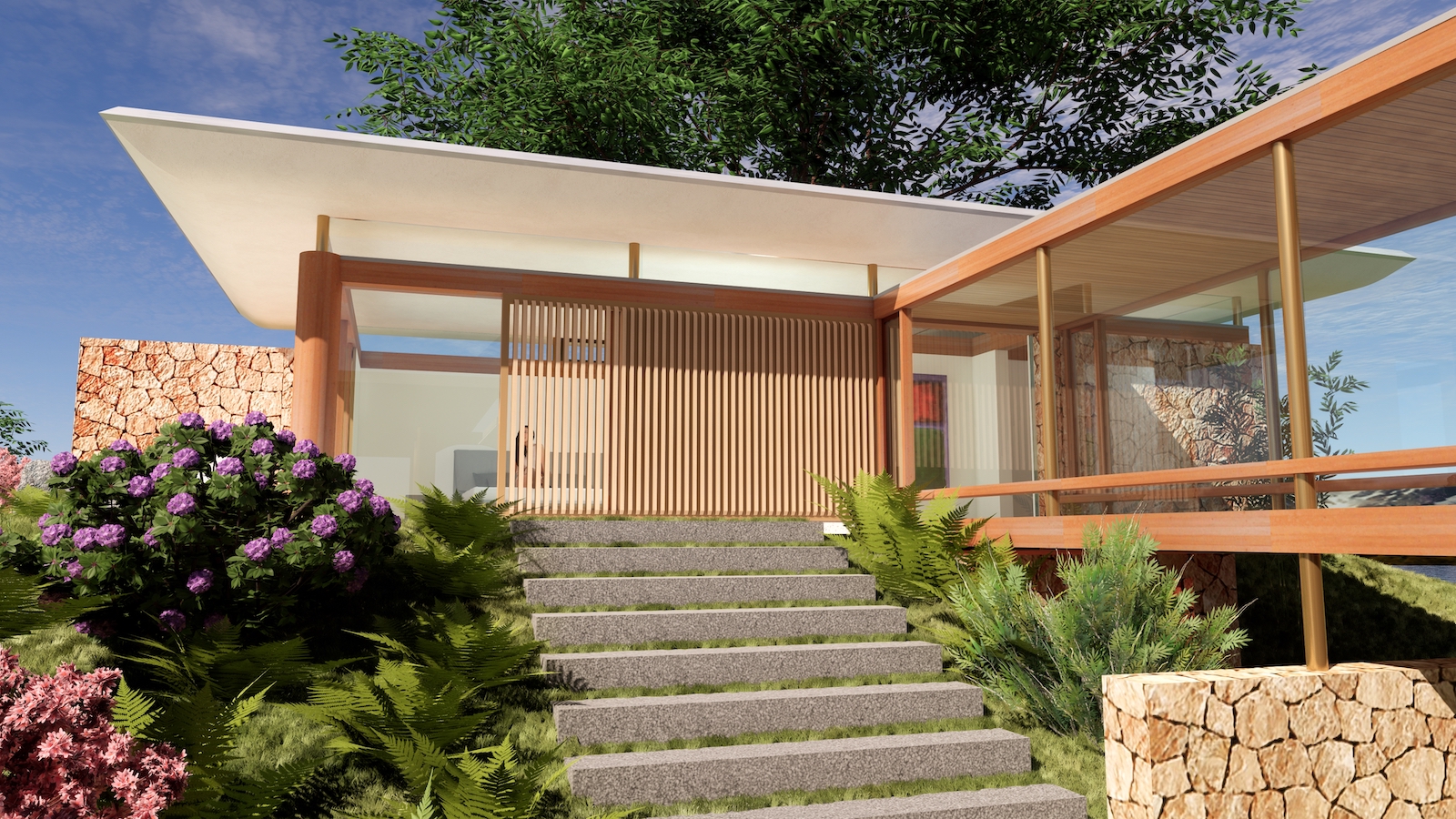
Restoration/addition conceptualized by Studio Erickson (2023).
Filberg House, 1959
- Constructed 1959
- Location Comox, BC
- Architect Arthur Erickson
- Use Dwelling
- Recognition
AIBC Special Jury Award for Architectural Renovation (2002) - Features
Canadian Homes, 1961
The Canadian Architect 5, No. 12, Dec.1960
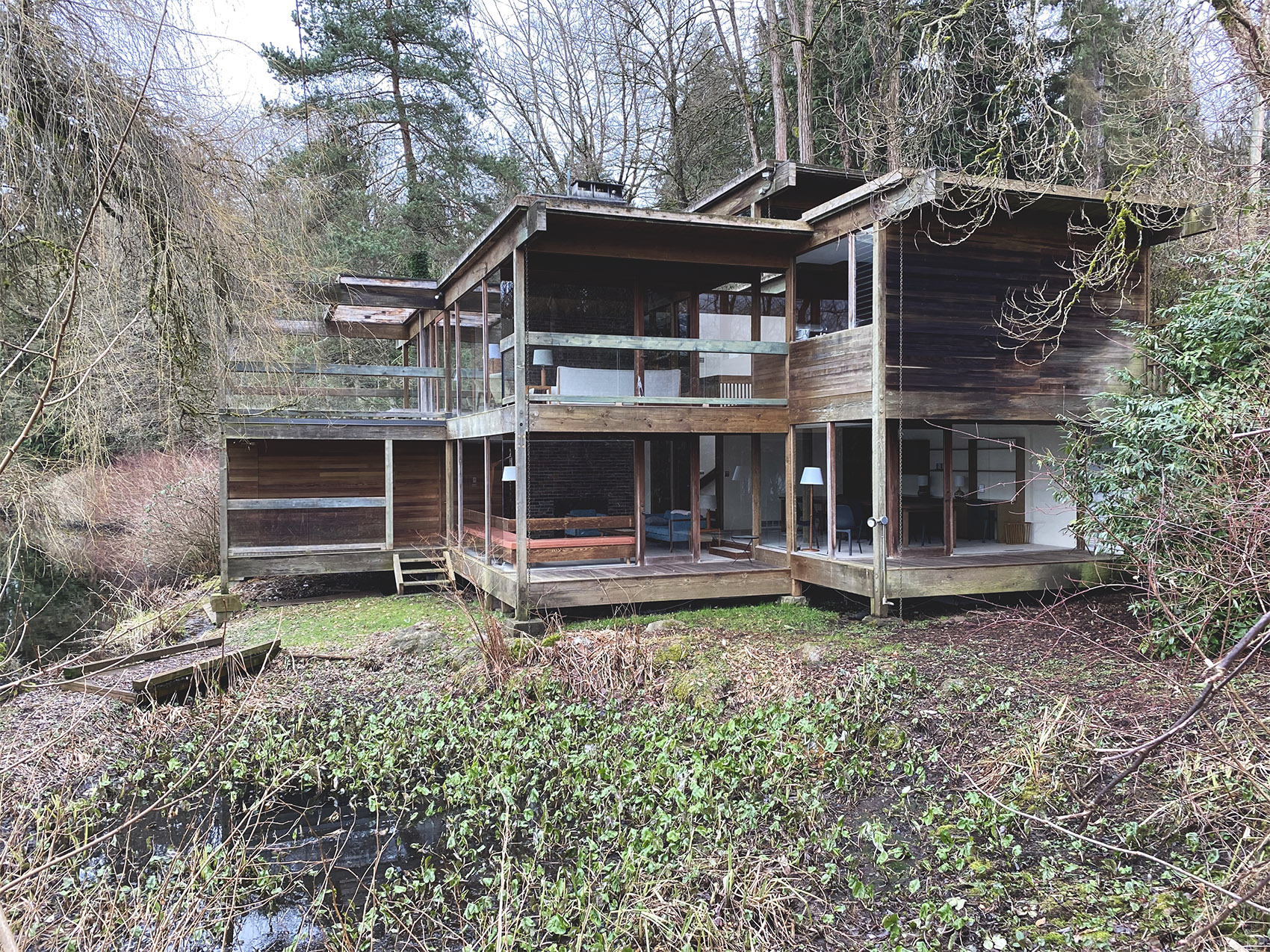
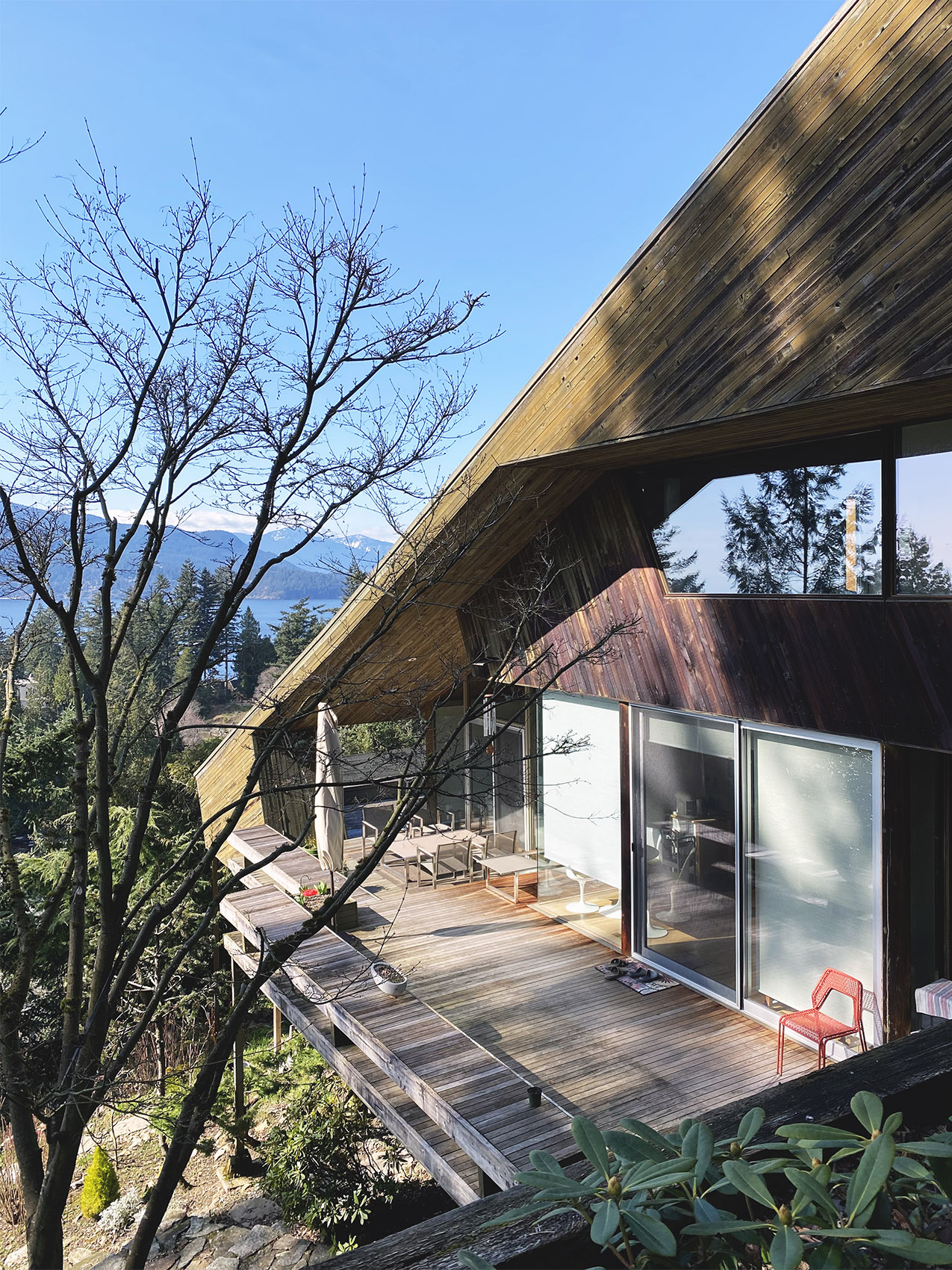
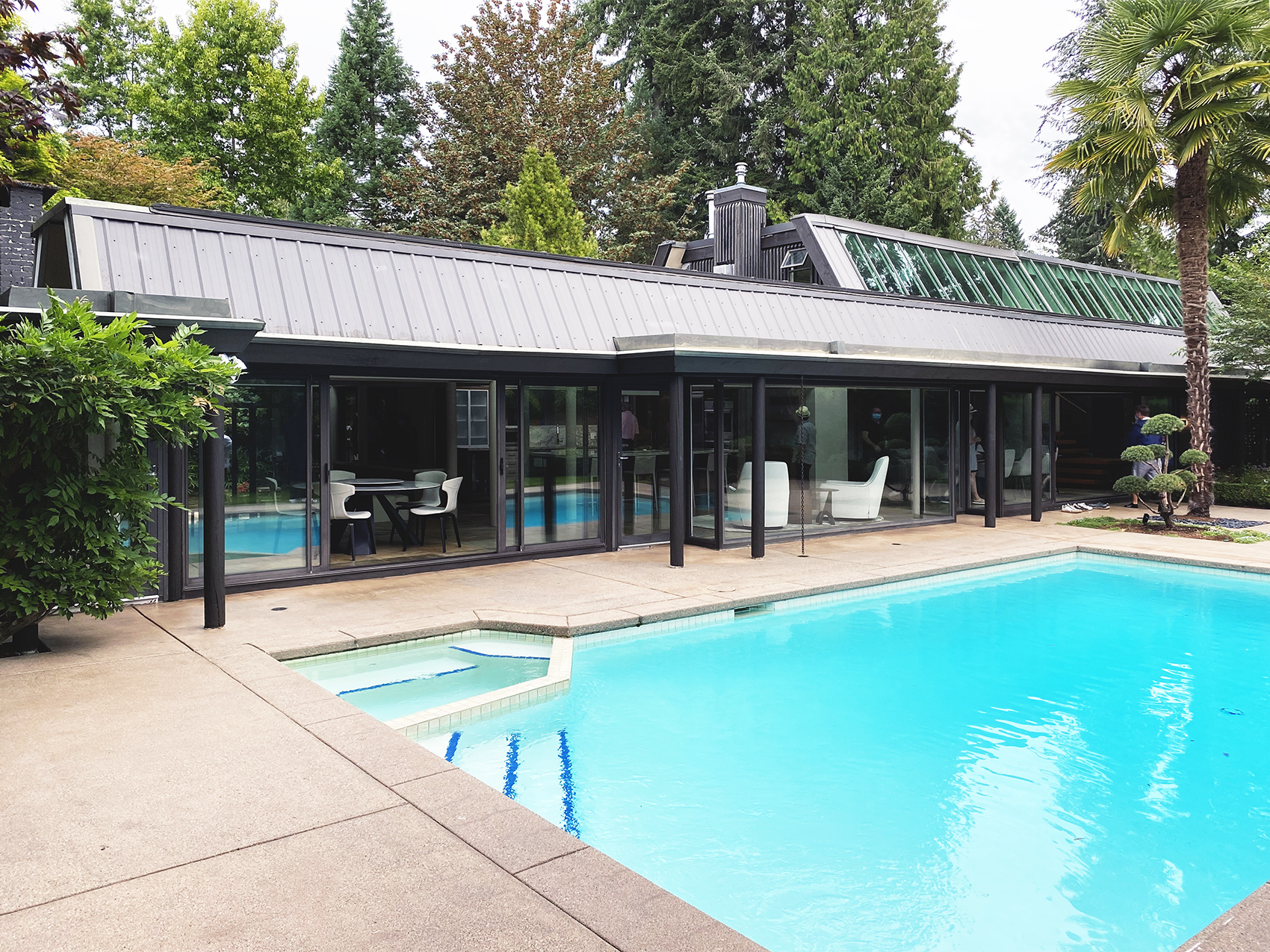
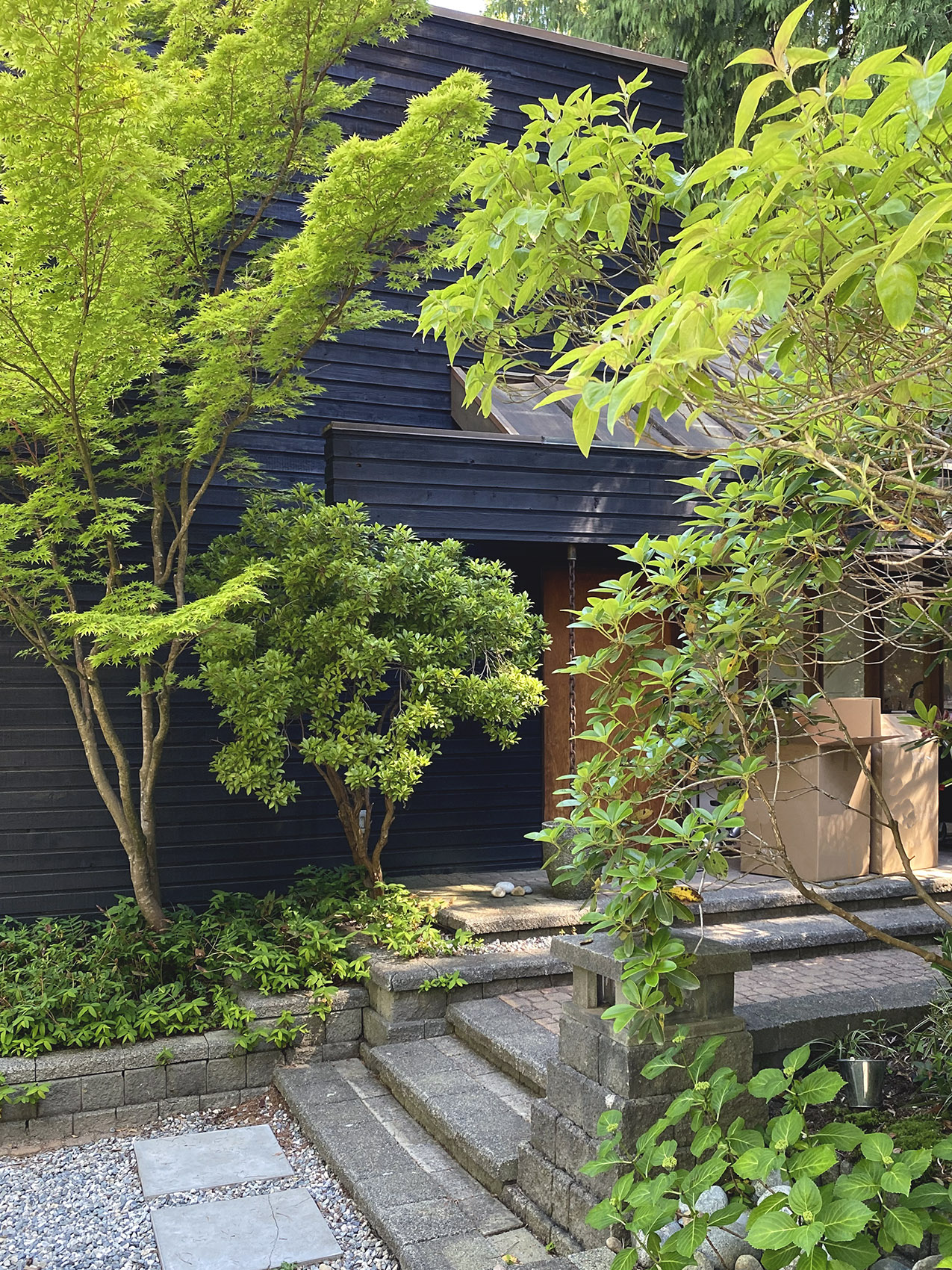
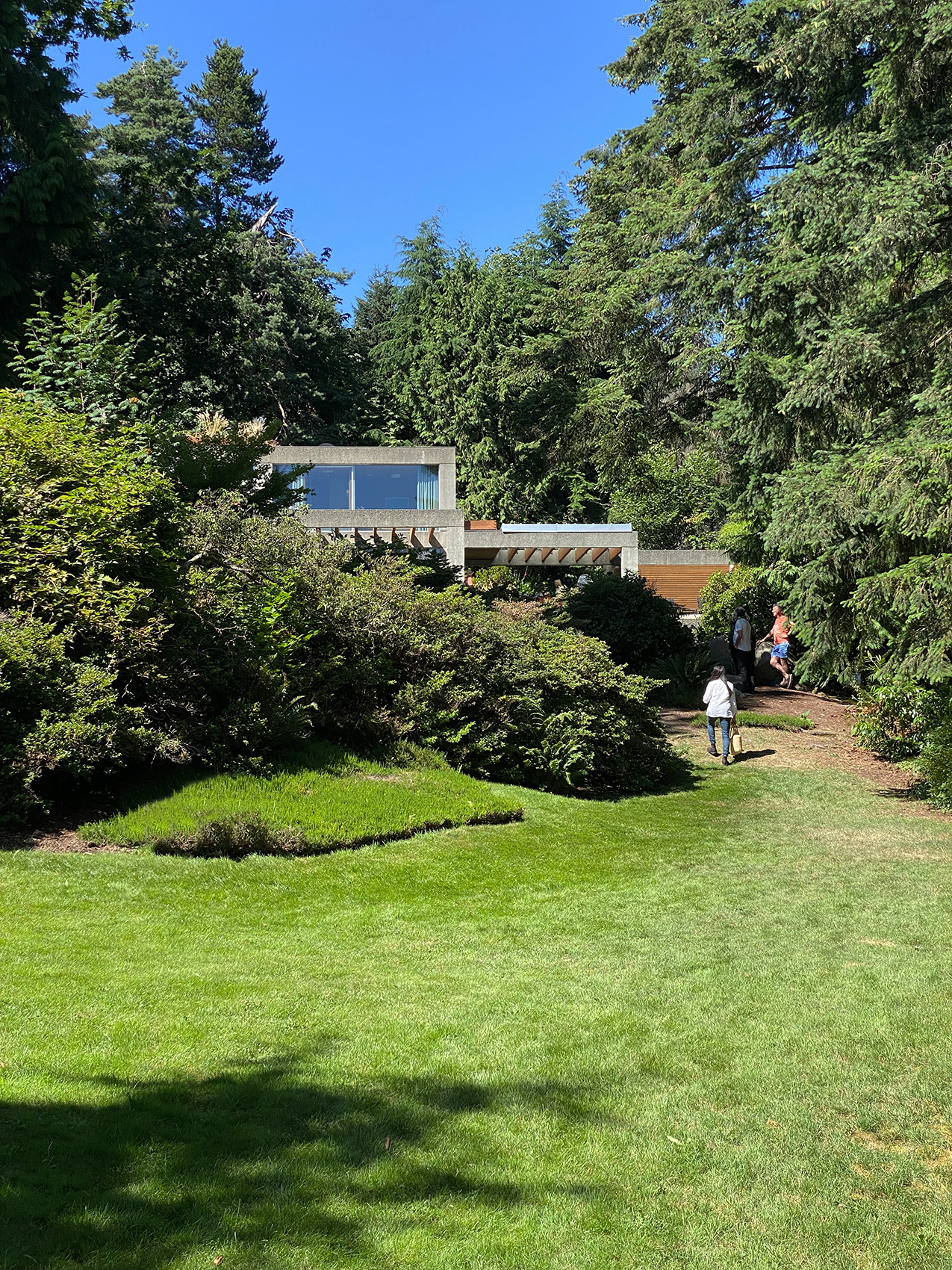
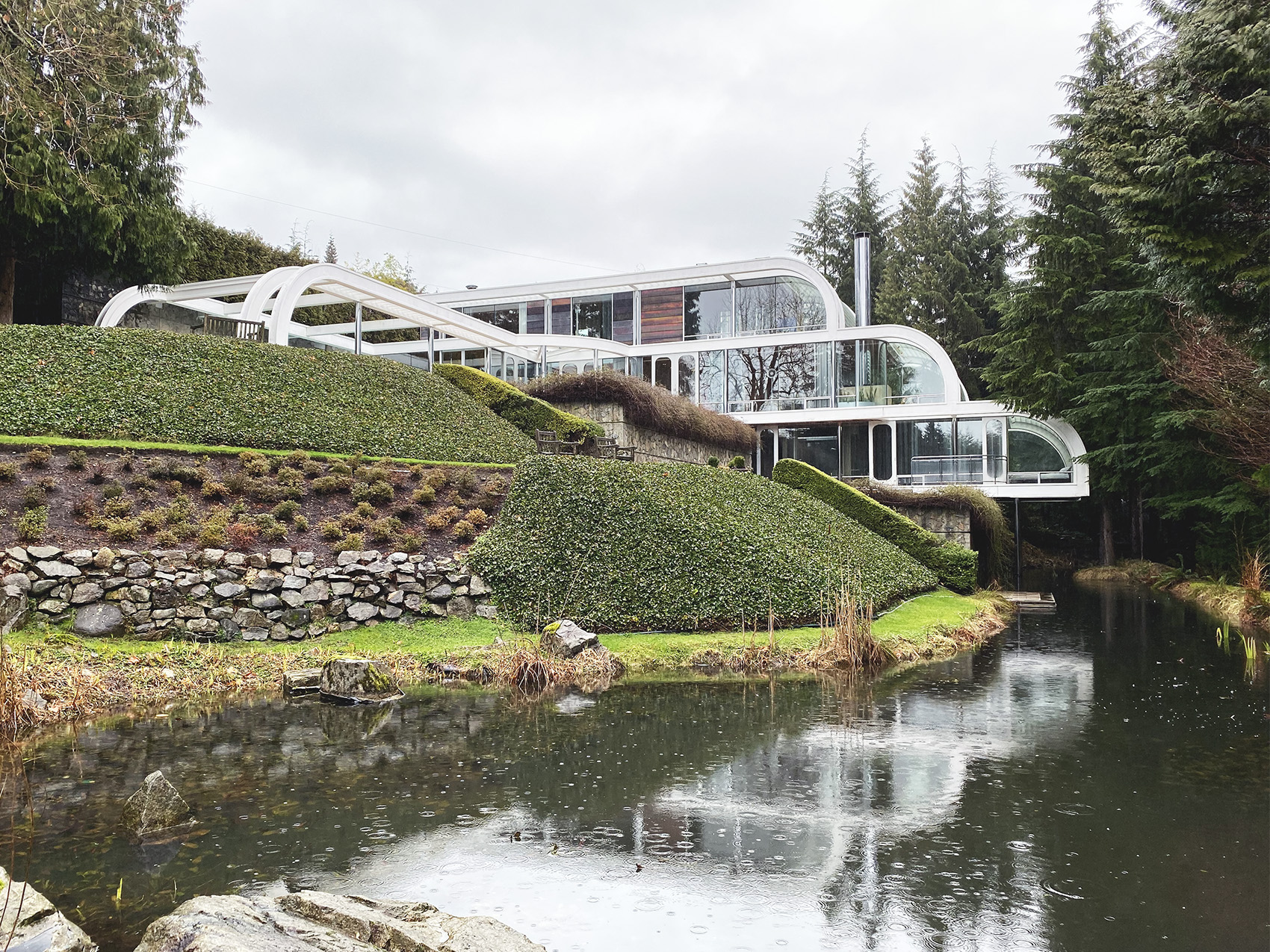
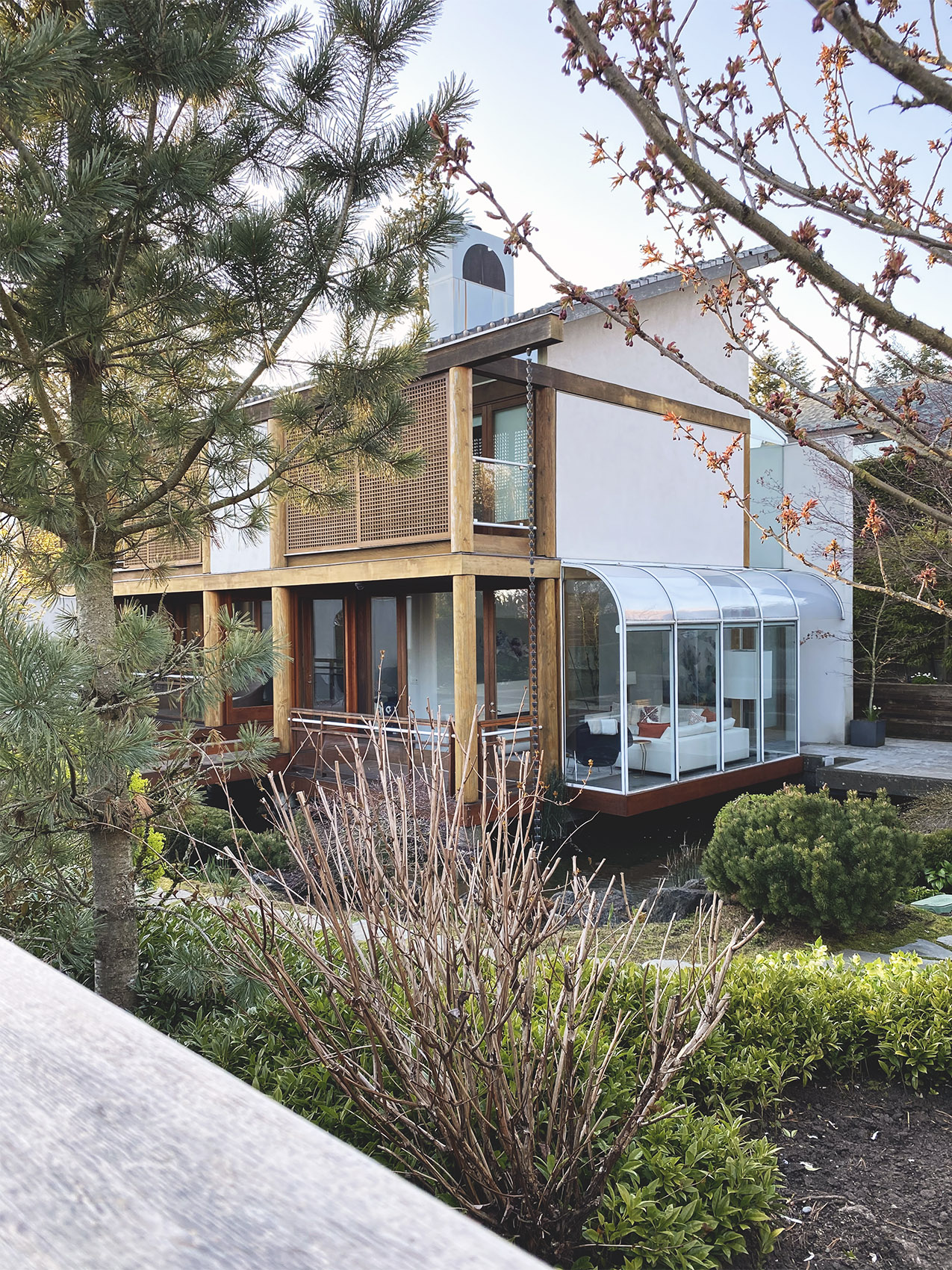
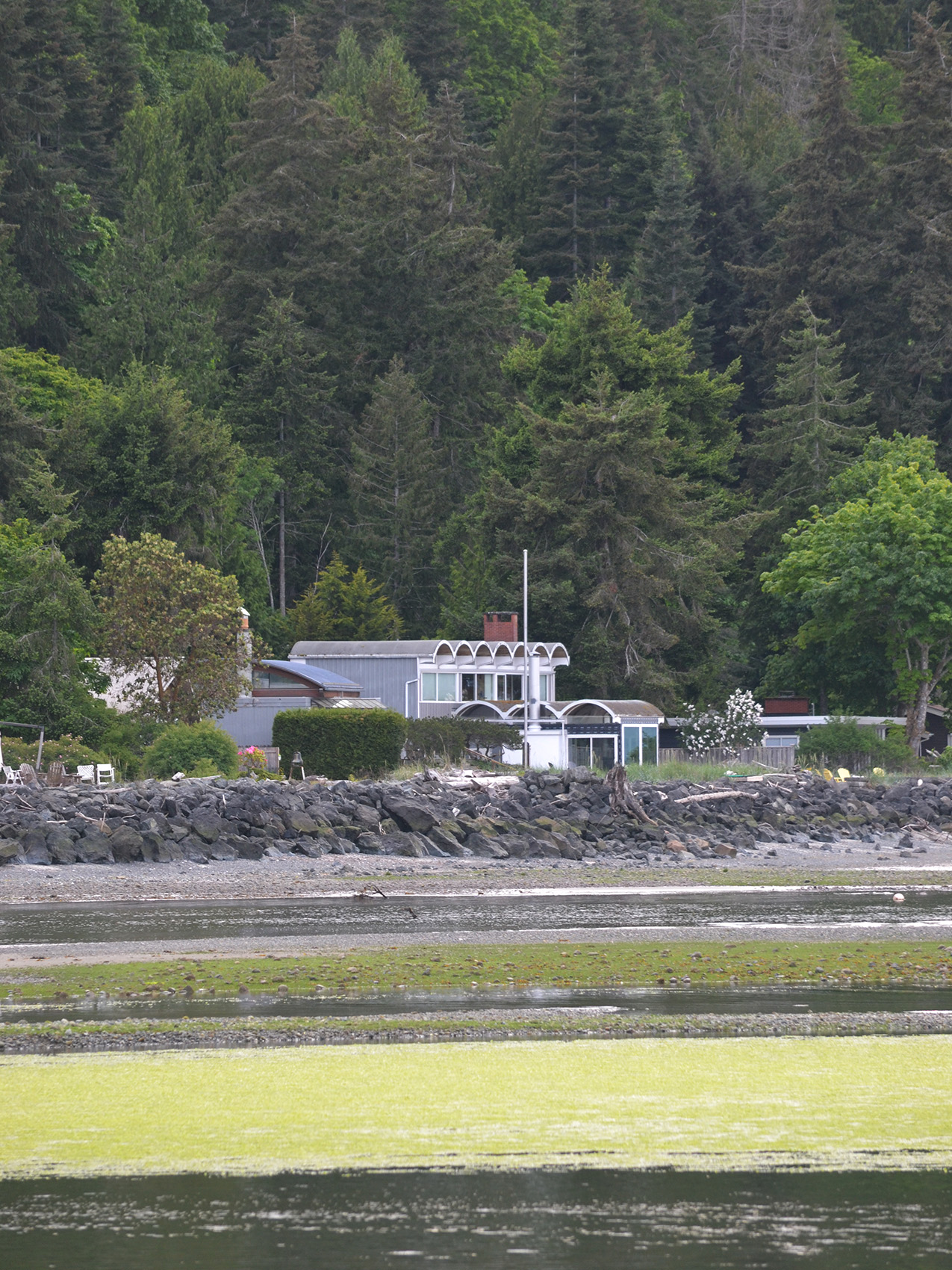
The Filberg House was designed by Arthur Erickson in 1958 and completed in 1959. The home was originally commissioned by Robert M. Filberg, son of the Comox Logging and Railway Company tycoon Robert J. Filberg, and intended to be an international cultural retreat. The project was one of Erickson’s earlier and larger residential works and, at the time, his most significant and widely published commission. It has been hailed as “the most fabulous house in Canada,” an accolade awarded to it in the 1961 issue of Canadian Homes magazine, and for good reason.
Situated high atop a seaside bluff surrounded by forest and meadow, glacial peaks, and wondrous southern vistas over the Strait of Georgia, the work is considered by many to be among the most perfect modernist marriages between constructed landscape, architecture, and its surroundings in British Columbia. This adept integration and refocusing on the landscape, evident across Erickson’s vast body of work since, formed the basis of his intentions with the Filberg House, as Erickson stated “the design was really based on a pavilion looking at the landscape, where all the aspects–the cliff edge, the distant glaciers, the sweeping brown fields and the immediate forest, could be seen at once.” Sitting at the edge of an inland sea, a decidedly Mediterranean characteristic in Erickson’s mind (who was an enthusiastic international traveller), and often seated under dull coastal skies, luminosity was also a driving force in a design that carries overtones of Andalusian Islamic architecture. Undulated ceilings, translucent panels, screens, and reflective floor surfaces, among others, provide for a play of light which radiates throughout the interior spaces even on the darkest days. Apart from its place as one of Erickson’s greatest residential designs, the Filberg House is a unique and unparalleled example of West Coast Modernism, exuberating new heights of creativity and elegance in mid-century modern residential design on Canada’s west coast.
Despite its stature, the Filberg House has seen a tumultuous history. First, was the sudden passing of the original owner prior to its completion. Decades later the home underwent an unfortunate renovation that rendered much of the architecture unrecognizable. Later on, at the hands of a neighbour turned subsequent owner, the home was painstakingly restored to Erickson’s original modernist vision. If not for the latter interest and care in reviving the original design, this icon of West Coast Modernism may have been lost forever. It is the story of an iconic house whose architecture and surrounding grounds have not benefited from any level of heritage protection. The significance and legacy of Erickson’s Filberg House, on the historical and cultural milieu of the modern architecture of Canada’s west coast, cannot be overstated. Its continued care is paramount.