Don Vaughan
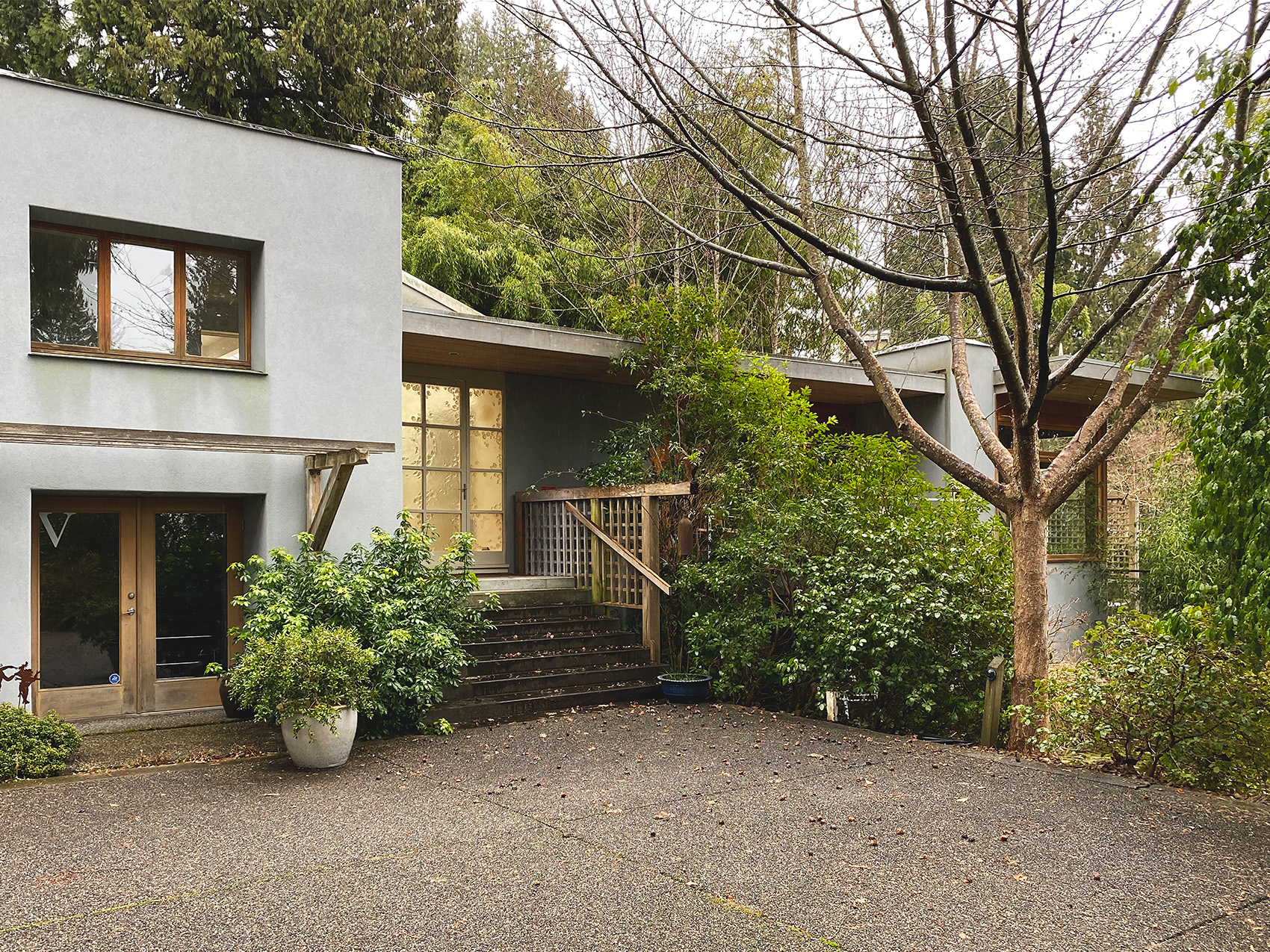
In landscape architecture, as in life, Don Vaughan (1937-2026) approached the world with curiosity, vitality, good humour, and, importantly, the resolve to lift others up. He fulfilled this aim through design, education, mentorship, and friendship in equal parts. Underpinning his formative contributions to our built environment, and the discipline of landscape architecture, was a steadfast belief in the democratization of the public realm and the common good. This philosophy, felt in the seminal works of Vancouver’s Expo 86, the post-Expo development of False Creek, Whistler Town Centre, West Vancouver’s Ambleside, and the myriad of plazas and parklets dotting Vancouver’s West End and surrounding municipalities, have become a part of the daily routine for thousands living, working, and playing across the BC’s south coast.
Don Vaughan was born into a lumber family in Coos Bay, Oregon in 1937. Following service in the United States Navy, he enrolled at the University of Oregon. Having discovered the work of Frank Lloyd Wright in high school, Don first took up short-lived studies in architecture but, while a passion for design took root, he found the work under-stimulating. While working for a term in Melbourne, Australia, during which he was introduced to site planning, a new interest developed. He would return to the University of Oregon, switching his major to landscape architecture, and setting course for what would become an illustrious career as one of Canada’s most accomplished landscape architects. As Don once noted to the League, “planning and landscape architecture seemed to be what I was meant to be doing.”
Following graduation in 1965, Don relocated to Vancouver with his life-long partner Patty, also a Coos Bay-native. Together they raised two children in West Vancouver and have continued to live in the community ever since. Don first joined John Lantzius & Associates, then involved in the famed development of Simon Fraser University. He began working alongside architect Arthur Erickson, whom he credited with instilling in him the importance of concept and the role of landscape in creating place. Following on the success of Simon Fraser, Don took on the role of Landscape Architect for the new University of Victoria campus at Gordon Head in where he “began to deal with our West Coast landscape in both the natural forest and the traditional campus open space.”
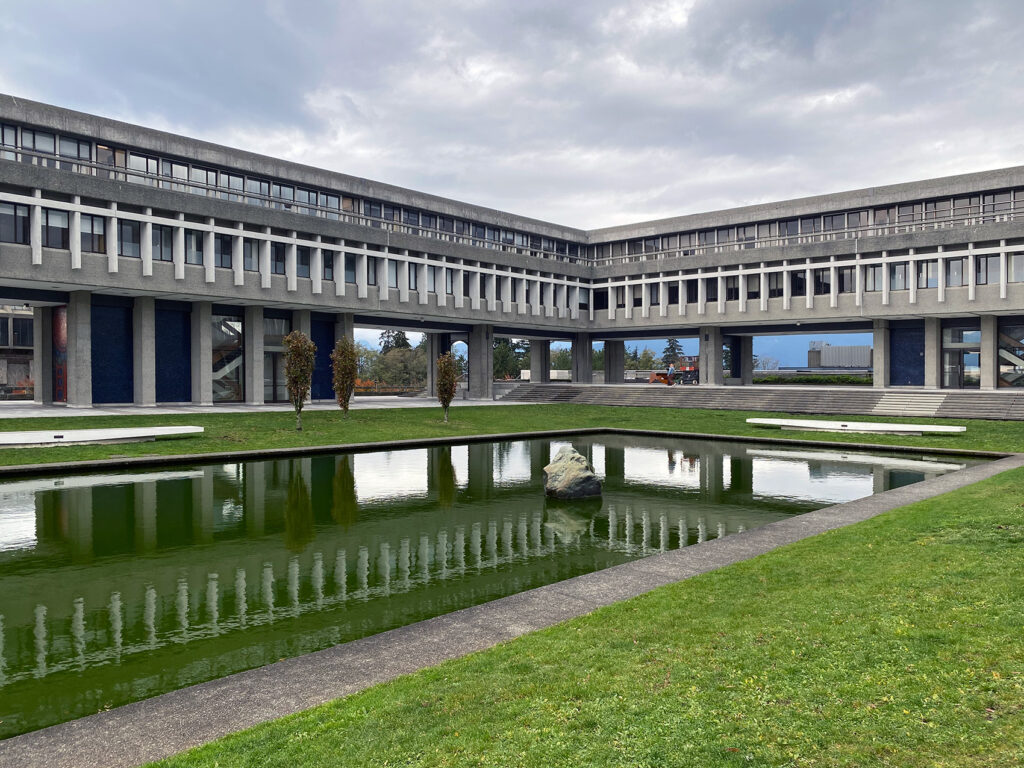
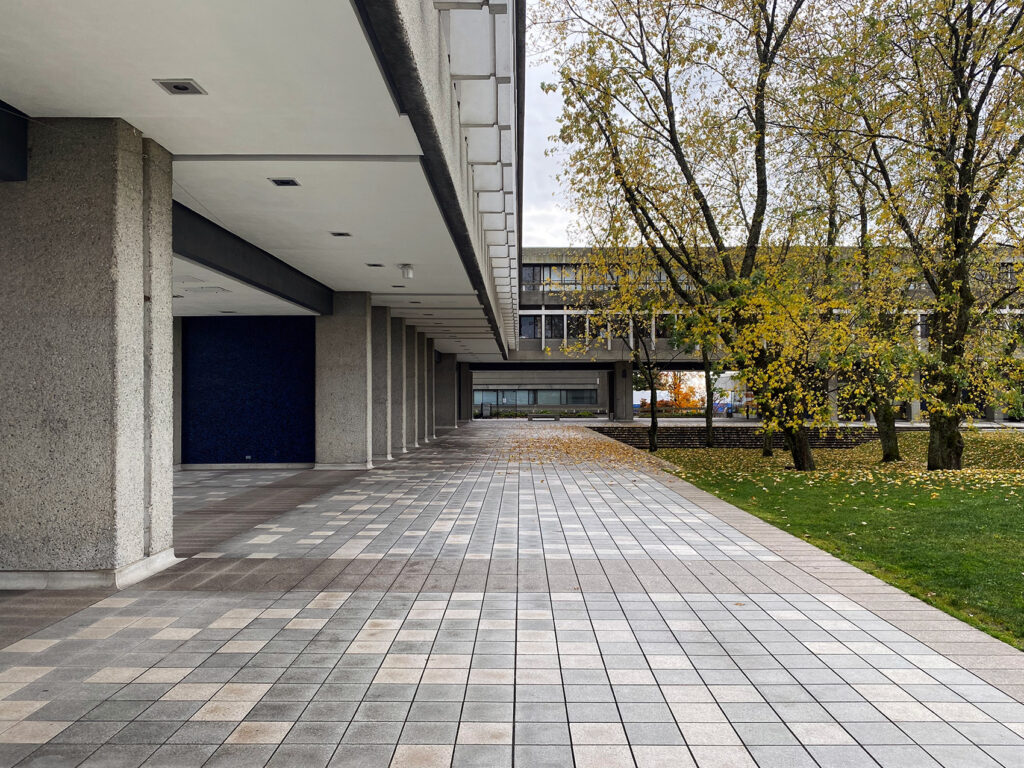
Photo by Steve Gairns (2024).
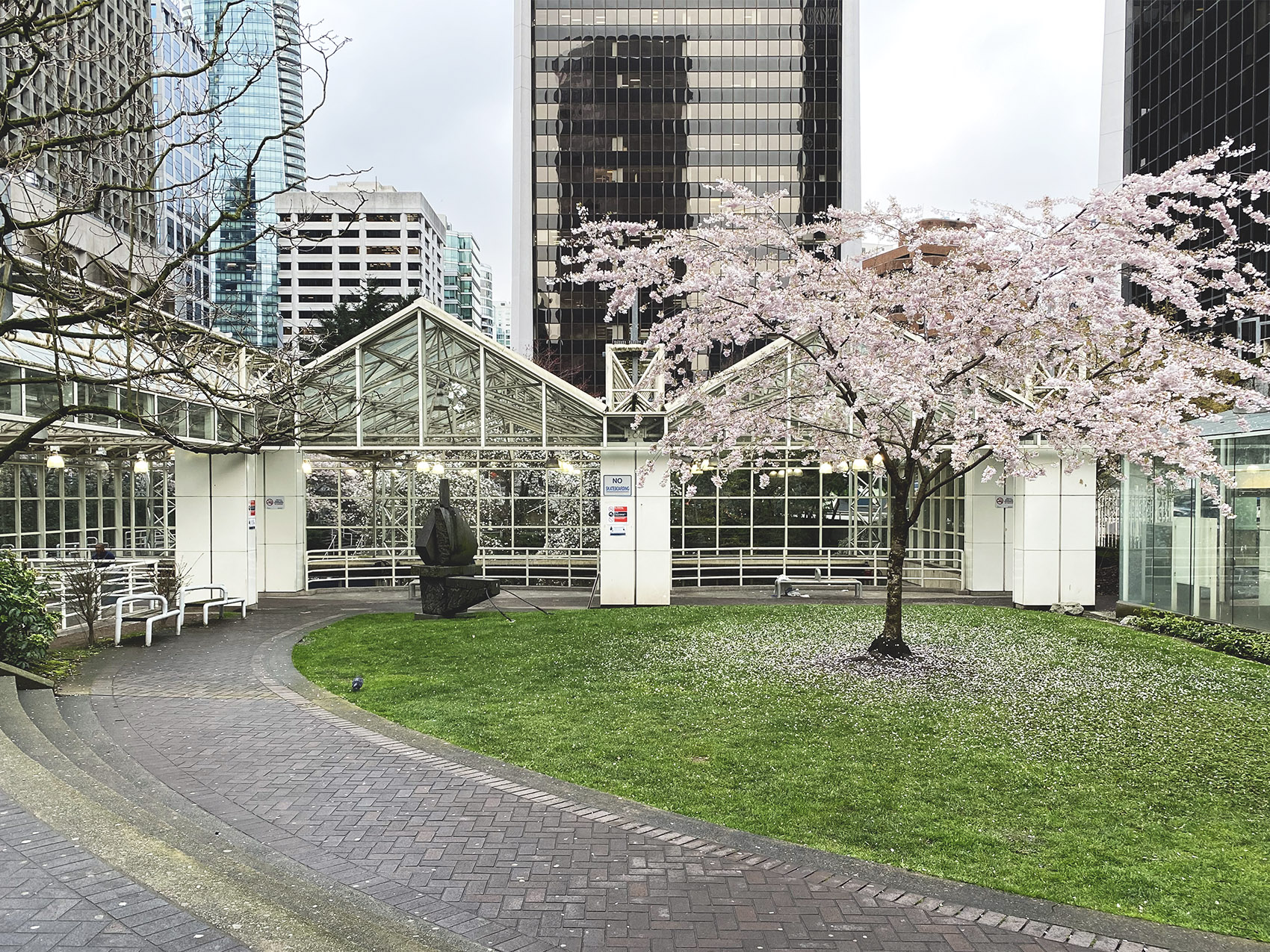
In 1971, Don launched his eponymous practice, Don Vaughan & Associates, embarking on a period that would establish his prominence in the modern landscape architecture of British Columbia. Don was a leading advocate for the profession, the scope oftentimes restricted to planting design, and was firm in the belief that landscape architects had an important role to play in urbanism and city-building. It was with this vision and determination that he played a pivotal role in shaping both the profession and public life on Canada’s west coast. Among his most notable projects were the public plazas of Granville Island, Discovery Square at the Burrard Skytrain Station, Dr. Sun Yet-Sen Classical Chinese Garden in collaboration with architect Joe Wai, Whistler Town Centre, Nitobe Gardens at UBC, Shannon Mews, Metrotown Civic Plaza, and the town plan for Tumbler Ridge along the foothills of the Rocky Mountains in northeastern British Columbia.
In 1984, Don founded The Landscape 86 Collaborative, leading a team of 35 landscape architects in site planning for the iconic Expo 86 World Exposition. Following Expo, Don Vaughan & Associates was selected alongside Hulbert Group, Davidson Yuen Simpson, and Downs/Archambault to develop plans to convert the False Creek lands into a high-density liveable community. The project would utilize Don’s proposed “Bays Scheme,” a concept maintaining the natural bays and shoreline punctuated with public parks reaching back into the city grid, buildings sited on the peninsulas, and a meandering sea walk encouraging a variety of individualized activity. The community, now home to tens of thousands, has an active and bustling public life centered on the intersections of city and nature, and the empowerment of its urbanist citizens. It is a model that has since been replicated locally and internationally.
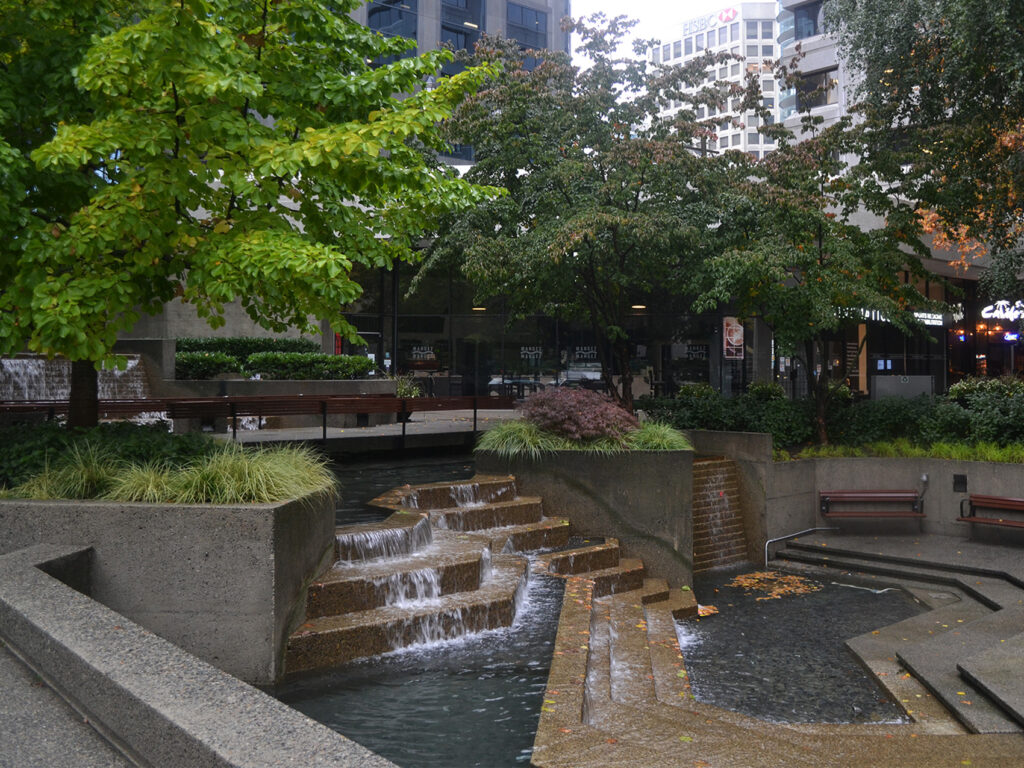
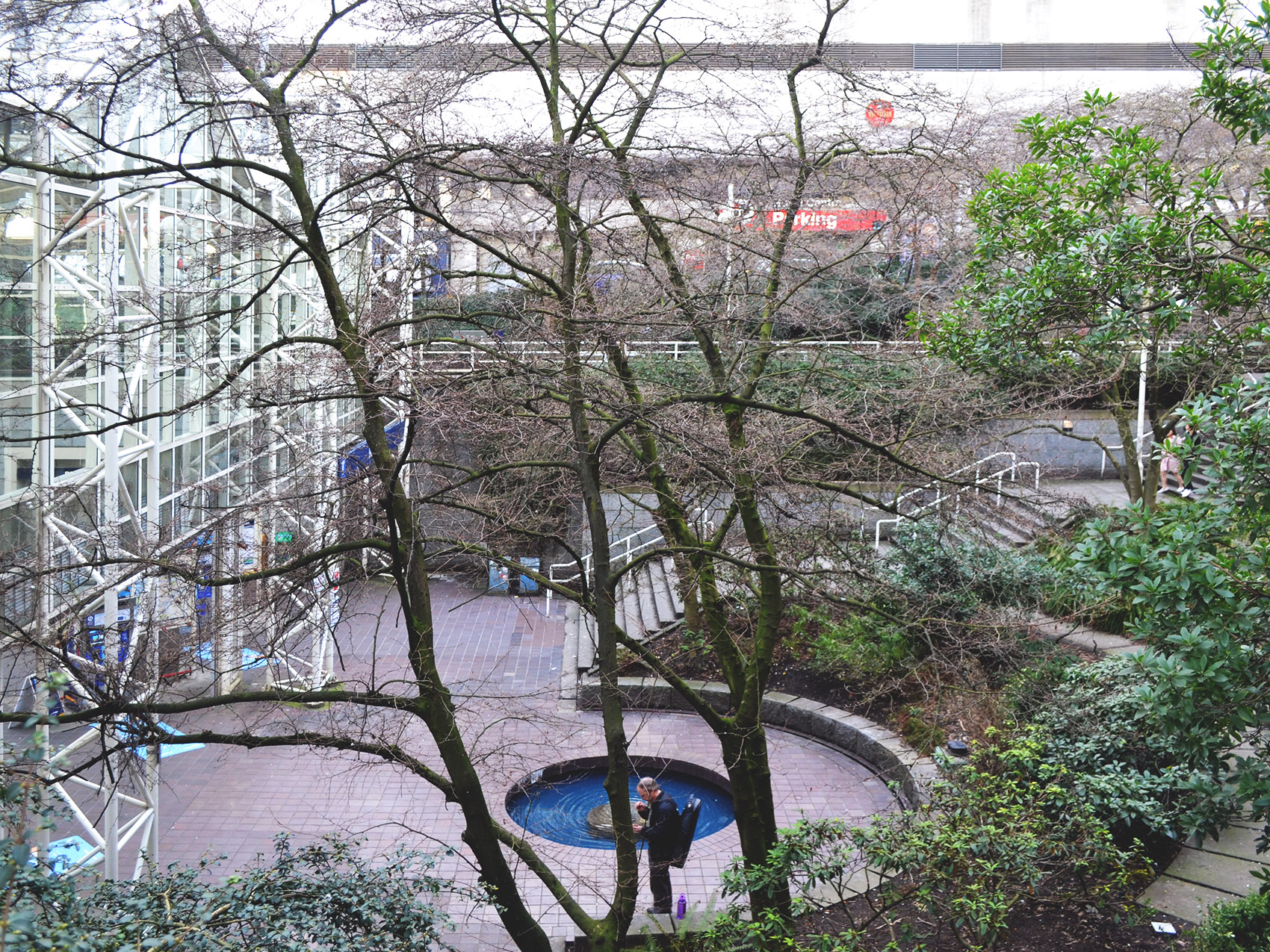
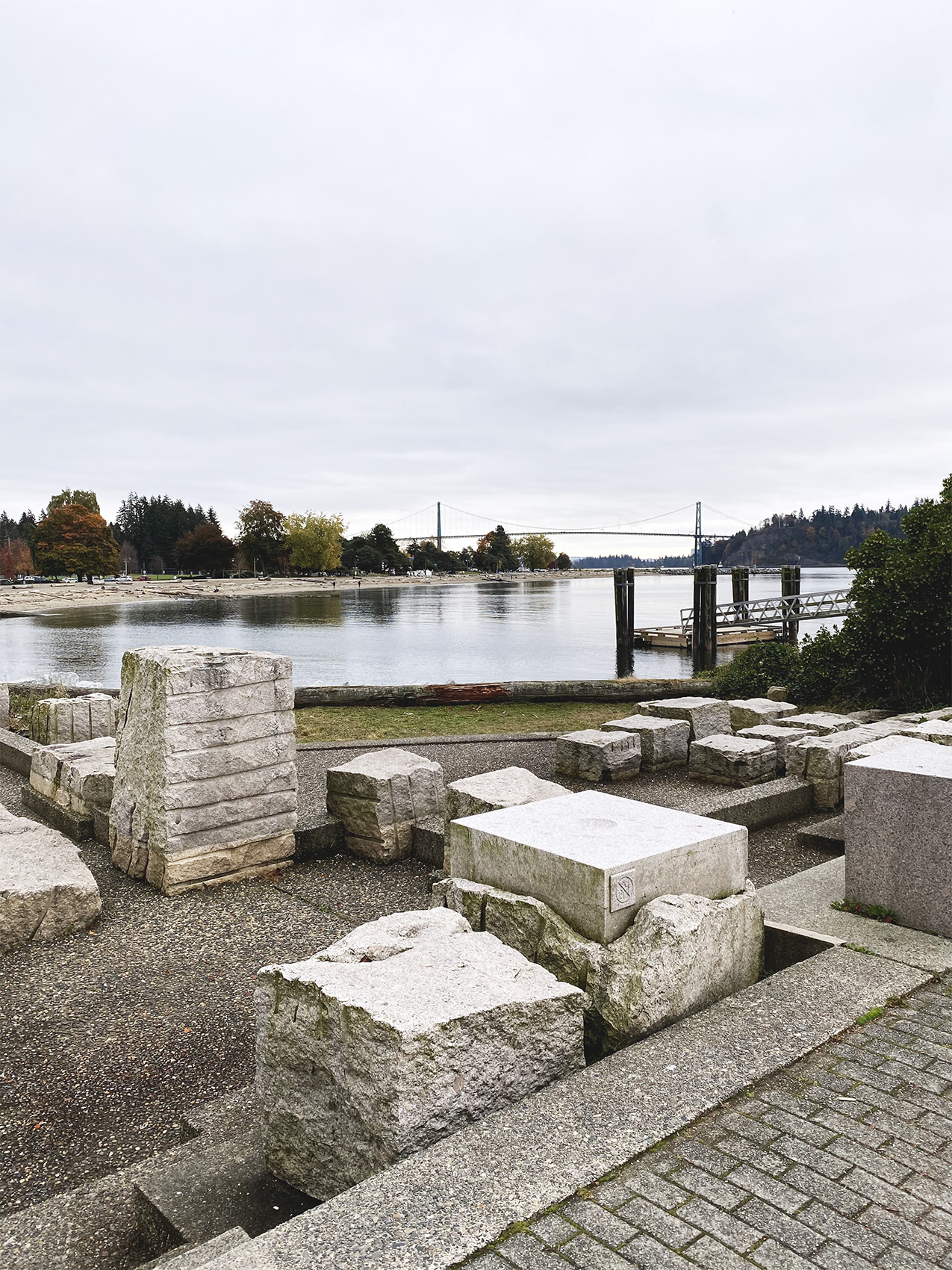
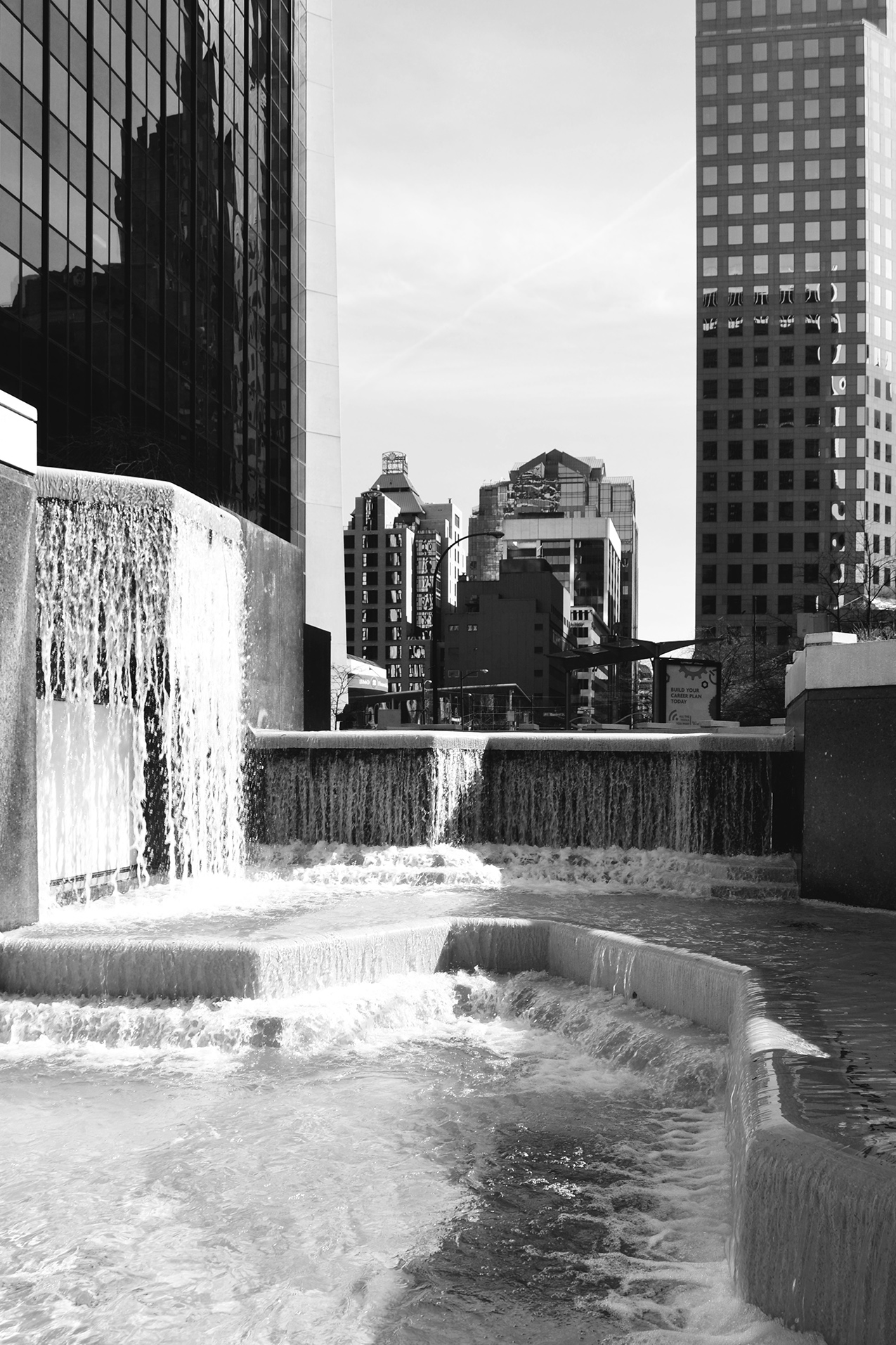
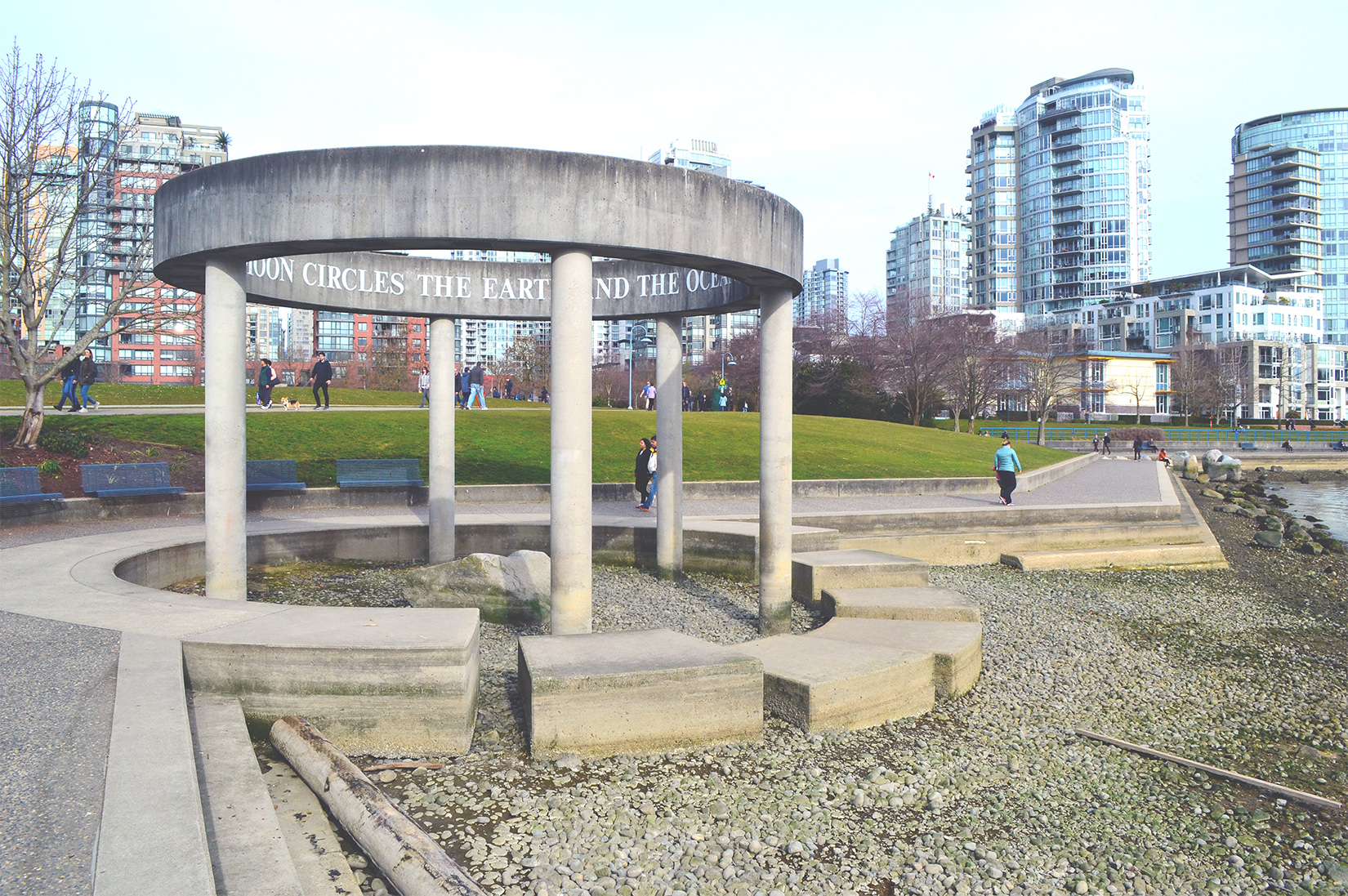
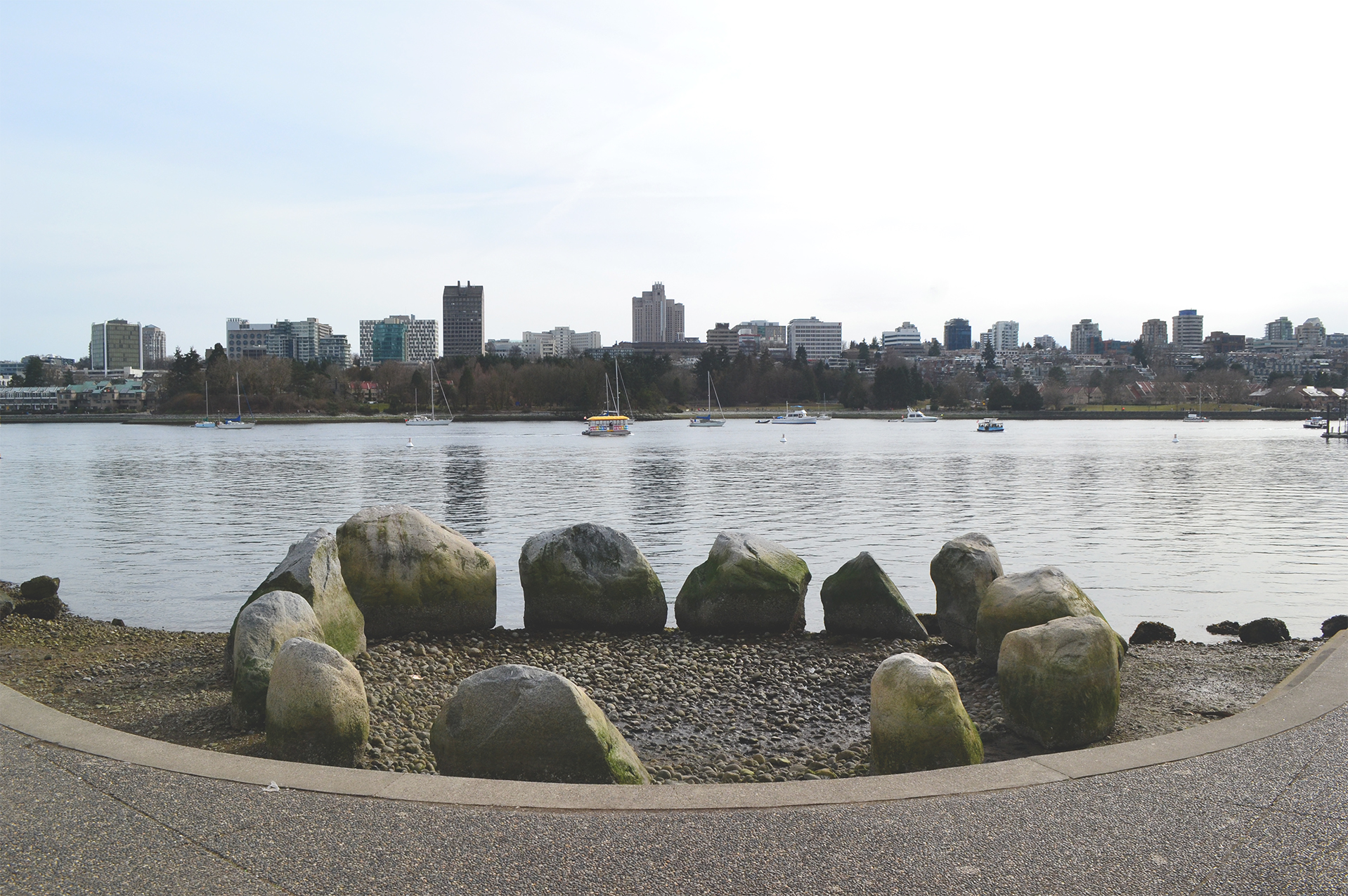
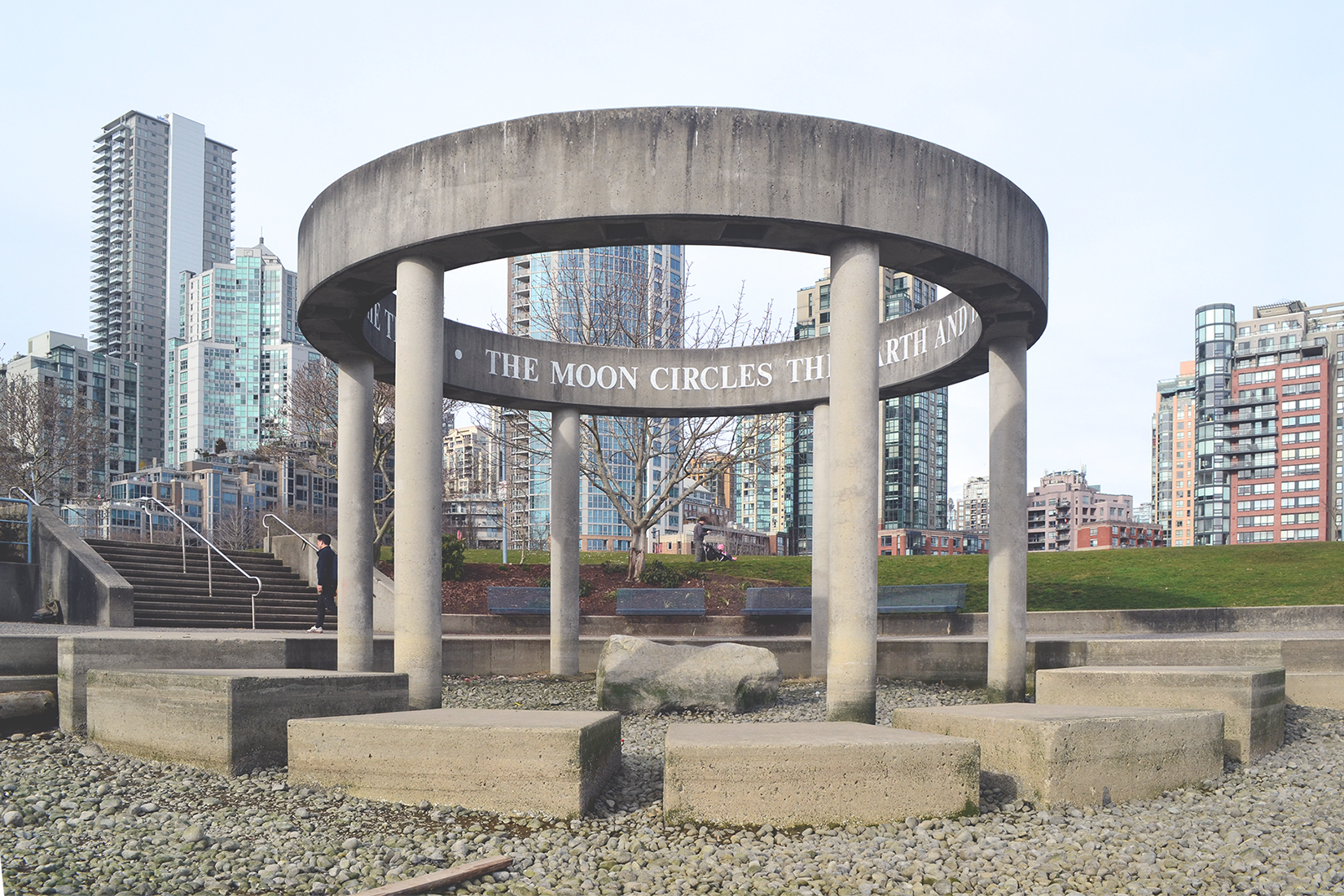
Ever the student, Don would go back to school in the late 1980s to study sculpture at Emily Carr College of Art & Design with the intention of better addressing the role of art in landscape. He would subsequently create numerous public art installations, influenced in part by his interest in Lawrence Halprin and the Lovejoy Fountain in Portland, as well as the Millicoma River in Coos County. Using urban materials and architectural forms to recreate natural elements existent in the surrounding environment, such projects included Marking High Tide, Waiting for Low Tide, Granite Assemblage, Vancouver Overture at Bayshore Gardens, and Bentall Centre Plaza, among others.
Sharing knowledge, supporting others, and advocating for the profession were cornerstones of Don’s professional life. In the 1980s he led UBC Studies Abroad programs and in 2010/2011 would serve as an Adjunct Professor at the UBC School of Architecture and Landscape Architecture. He also served as President of the BC Society of Landscape Architects, on the Board of Governors for the Canadian Society of Landscape Architects, and on numerous arts councils, advisory boards, and design panels.
“As a landscape architect, one of my main objectives is to create a landscape that brings identity to a place.” – Don Vaughan
In 2018, for the League’s “Masters of West Coast Modernism” series, we asked Don to select mementos of personal and professional significance. These are the items he selected.
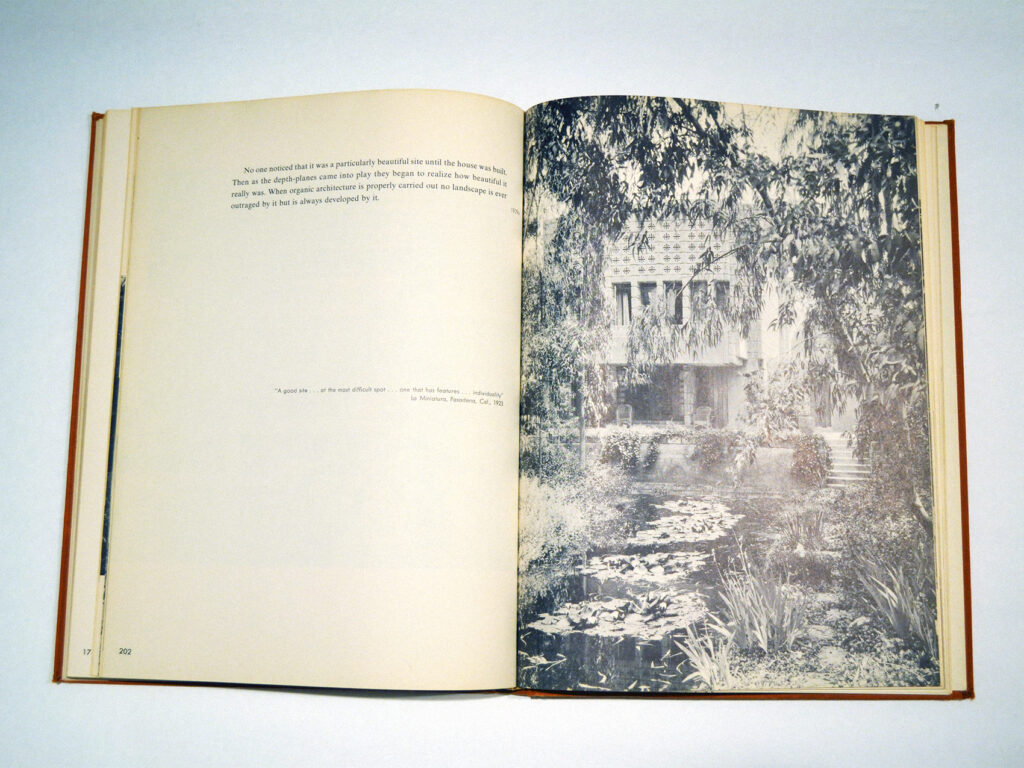
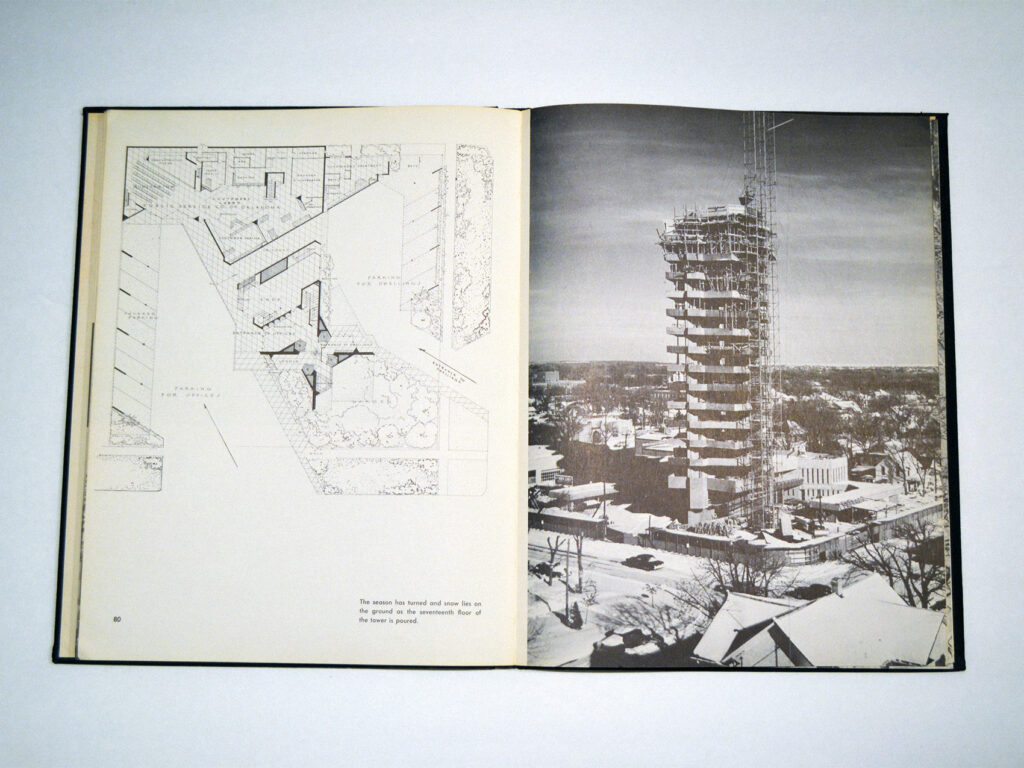
Frank Lloyd Wright: An American Architecture & The Story of the Tower
Kaufman, Edgar. Frank Lloyd Wright: An American Architecture. New York: Horizon Press, 1955.
Wright, Frank Lloyd. The Story of the Tower. New York: Horizon Press, 1956.
“My father studied architecture in 1929, but when the Depression hit the West Coast he left and became a logger. Architecture was a subject of conversation in our family. In 1950, on a family trip to California, he took me to Frank Lloyd Wright’s Morris Gift Shop. That visit was the beginning of my intent to be an architect. Years later, while I was in the U.S. Navy, I found these books in a used bookstore and purchased them. Learning about his architecture and its connection to the land inspired me to go to the University of Oregon and register in the Architecture program. Event after I left architecture in my third year, and went over to landscape architecture and planning, his work influenced my designs.” – Don Vaughan
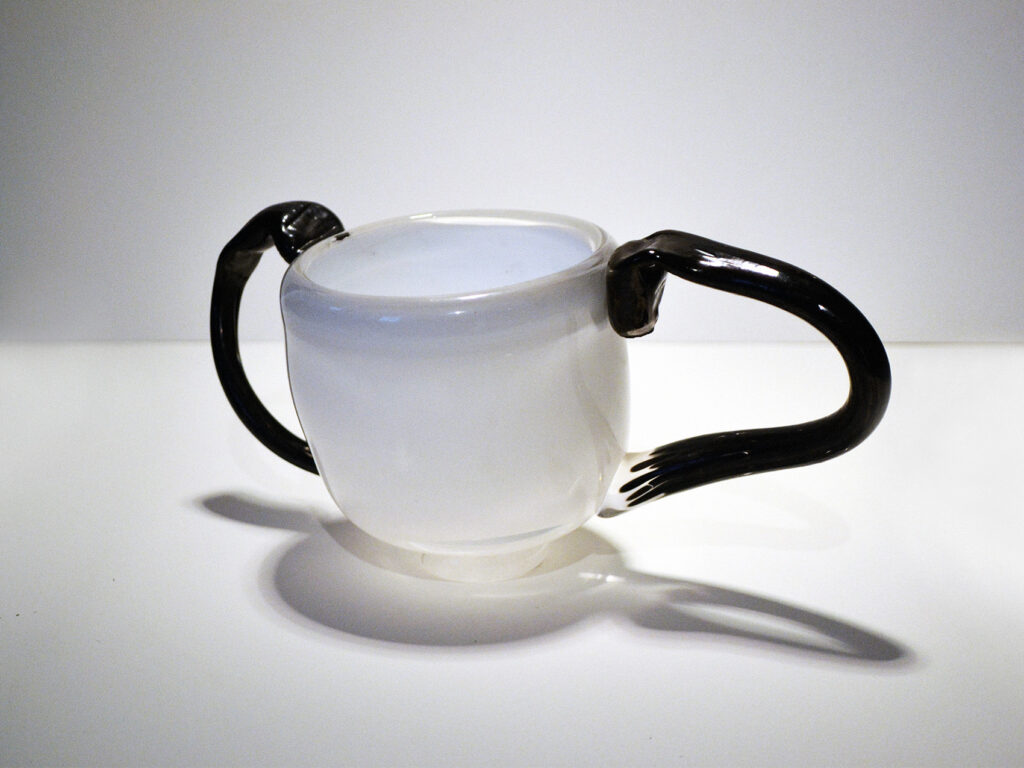
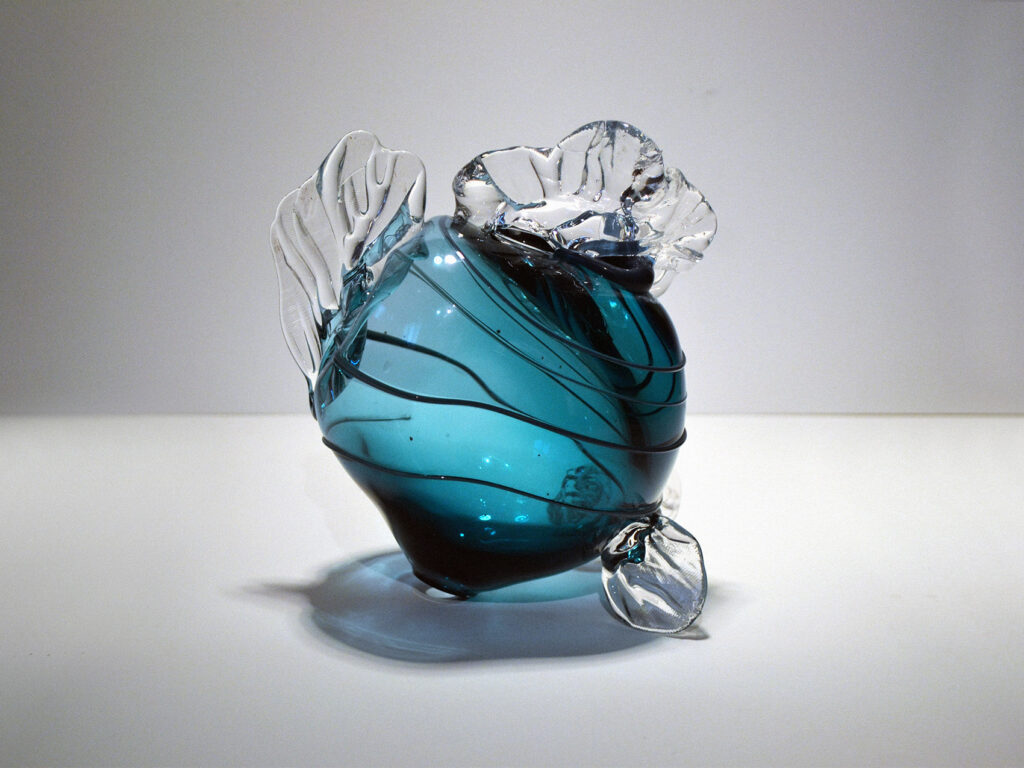
Glass Works
Don Vaughan
Blown Glass
“After graduating from ECCAD in 1990, I was still designing my art. I wanted to become free with my art, so I explored Hot Glass. I finally found that freedom of letting go and living with the results.” – Don Vaughan
Awards & Recognition
- Fellow, Canadian Society of Landscape Architects (1983)
- Historic Restoration Award for Shannon Mews, American Society of Landscape Architects (1983)
- Merit Award for Discovery Square, American Society of Landscape Architects
- Merit Award, Sun Yet-Sen Classical Chinese Garden, American Society of Landscape Architects
- Fellow, American Society of Landscape Architects (2005)
- Life Member, British Columbia Society of Landscape Architects
- Member, Royal Academy of Arts
- Lifetime Achievement Award, Canadian Society of Landscape Architects (2022)
- CSLA Award for Nitobe Memorial Garden, Canadian Society of Landscape Architects
Education
- Bachelor of Landscape Architecture, University of Oregon (1958-1965)
- Diploma of Fine Arts, Emily Carr College of Art & Design (1989)
Honorary Degrees
- Honorary Doctor of Laws, University of Victoria (2007)
- Don Vaughan (August 2018). Interviews with Kim Smith and Steve Gairns, West Coast Modern League.
- Don Vaughan Personal Archives.