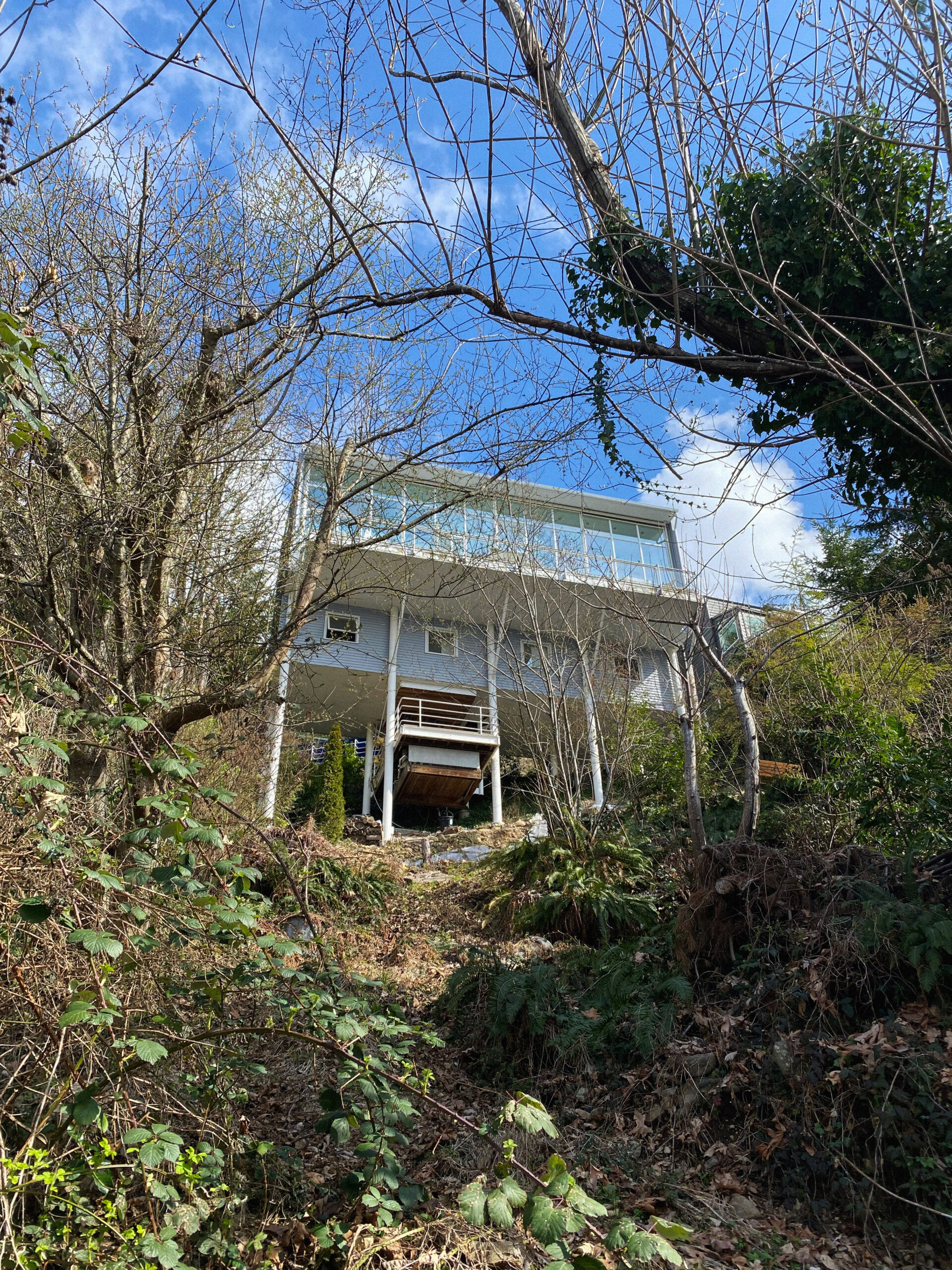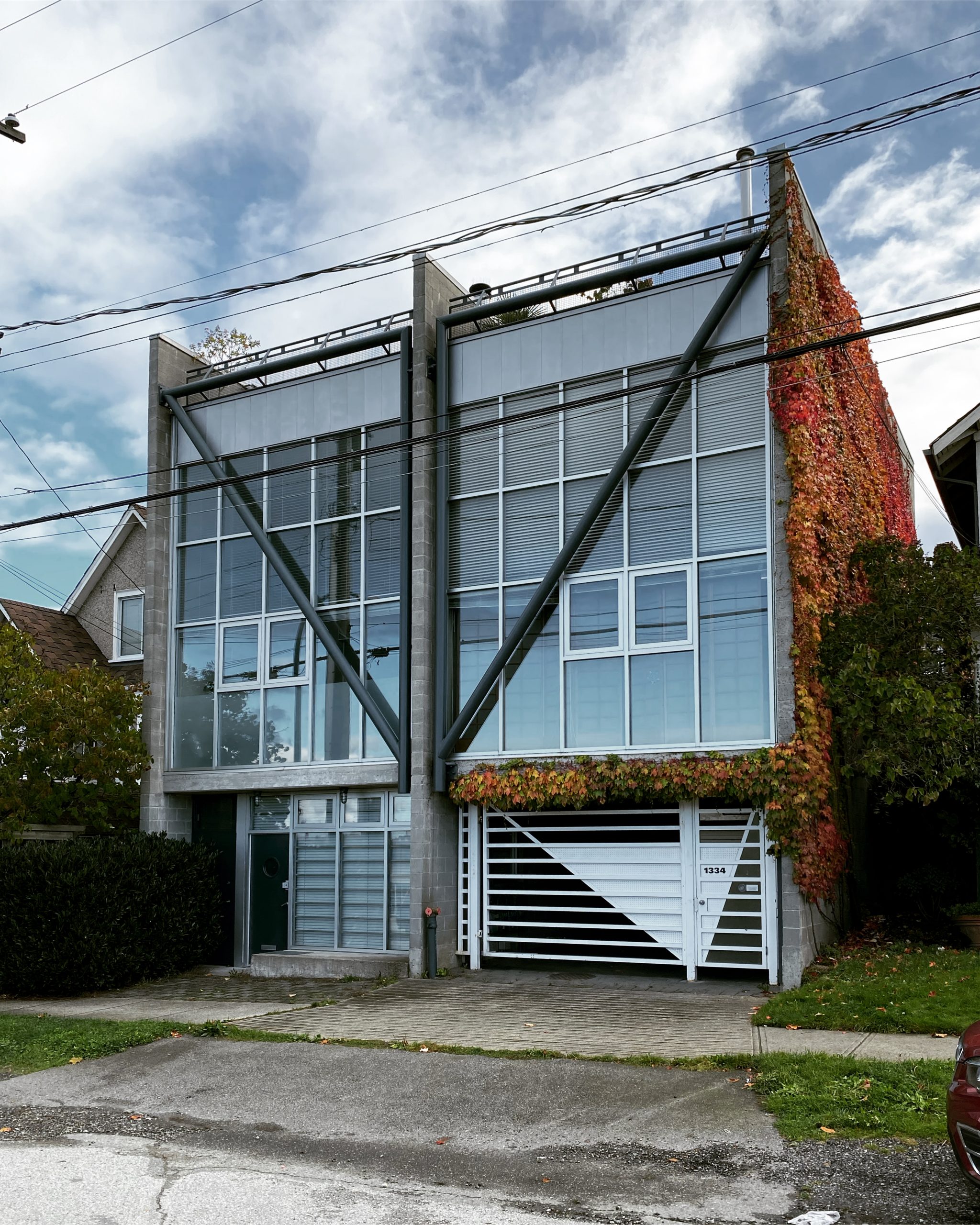
Peter Cardew
Born on August 6, 1939, twenty-six days before the outbreak of World War II, Peter grew up in the rural village of West Horsley, situated in the direct flight path between Germany and London. Six years later, at his belated christening in Horsley’s AD 1030 Saxon church Peter encountered for the first time minimalist design in the simplicity of the stone font in which he was being baptized. Only later did he learn that, prior to the 16th century Reformation, this font’s exterior was extremely ornate, that is until Oliver Cromwell and the Puritans, the first Modernists, obliterated the sacrilegious decorations leaving the font unadorned yet fully functional to this day.
For a time during the war he was evacuated to the town of Oswaldtwistle in Lancashire where his lasting appreciation for the places, the peoples, and the early buildings of the Industrial Revolution in the North of England began.
In the 50’s, following the wartime of frugal simplicity, attitudes were in flux: some wanted a return to the old ways, while the young saw an opportunity to build both culturally and socially a new “…Jerusalem in England’s green and pleasant Land”. For the young the outward manifestation of a new world was through music and fashion. When first hearing the amazing Elvis Presley’s “That’s All Right Mama” in 1954, the same year that food rationing ended in England, Peter felt the excitement and necessity of change, so after graduation in 1957 and after a heated argument over the design of modern furniture with the loving but close-minded aunt who had raised him in Horsley, it was mutually agreed that he should leave home. He was curious yet unknowledgeable about architecture so, before applying to schools he started working in a four person office in Guildford, now the largest office in the UK. His architectural salary was one pound a week, which he augmented on weekends as a beater for pheasant shoots in the woods and fields of Horsley, for which he was paid one pound a day, plus a pint of beer at lunchtime, plus one pheasant. This was his first inkling that architecture was not the most lucrative of professions. Nonetheless, after a year he enrolled in Kingston School of Art, Department of Architecture. The six year programme included, in the fourth year twelve months of practice in an architects’ office for which he moved to Stuttgart, Germany.
Capitalizing on the varied opportunities in a small office he asked for and was given the responsibility for a small pavilion in a park. This was only fifteen years after the end of the War and as he spoke no German and his colleagues and the contractors spoke no English his principal communication, both in office and on site, was through copious and extremely detailed drawings. This invaluable experience confirmed his belief that the craft of architecture has to be thoroughly mastered before the art can be practiced in an authentic and enduring way. This norm in most professions is inexplicably lacking in architectural education.
Following graduation and a few years of practice in London Peter was offered a partnership in a small firm but felt he had too little knowledge of the world to settle down, so he left England in 1966. In Vancouver he joined Rhone and Iredale, a particularly progressive firm that encouraged and facilitated design independence within the structure of the firm. Eventually he was offered a partnership but concluded the generational gap too limiting and so established Peter Cardew Architects in 1980.
Architecture today is still expressed through the paradigm of the Industrial Revolution. We are now at the start of a new revolution, and one wonders how will architecture, which has been the most visible and lasting manifestation of society’s goals, transform to reflect the unprecedented changes resulting from the Digital Revolution?
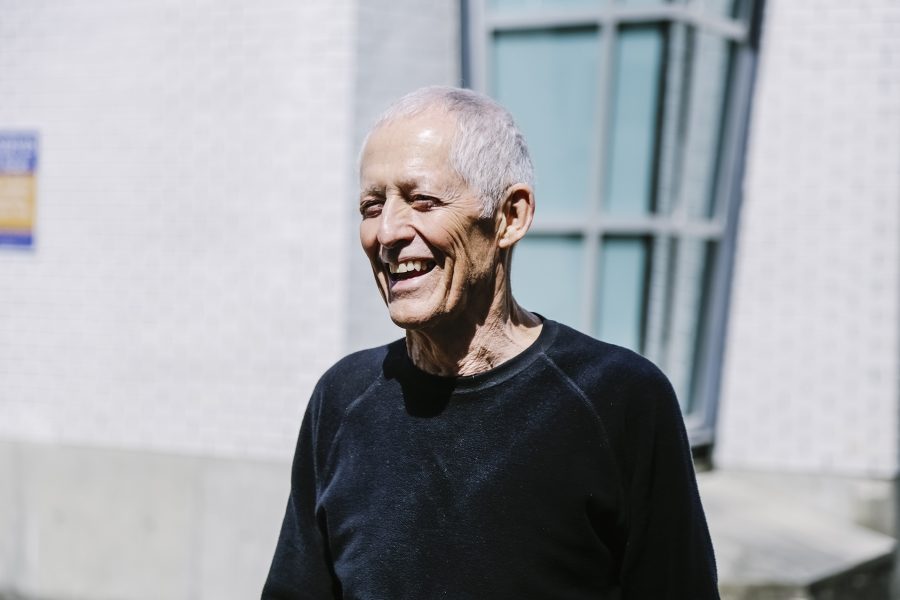
In 2018, for the League’s “Masters of West Coast Modernism” series, we asked Peter to select mementos of personal and professional significance. These are the items he selected.
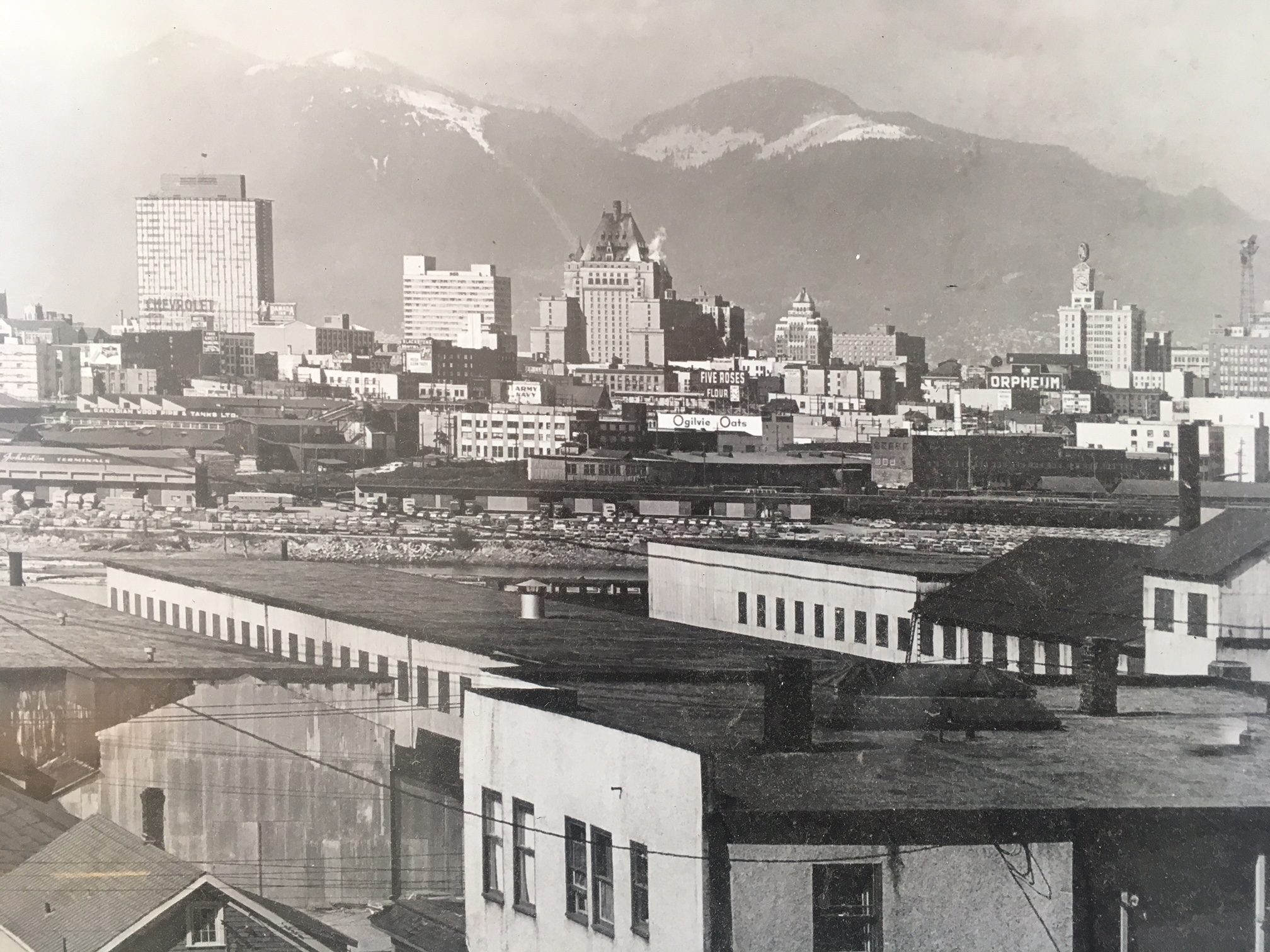
Fairview Slopes
Selwyn Pullan, Fairview Slopes, c. 1966
Photograph
“1966 photo from Fairview Slopes, the year I arrived in Vancouver. Taken by Selwyn Pullan, architectural photographer who died in 2017 at the age of 95.” – Peter Cardew
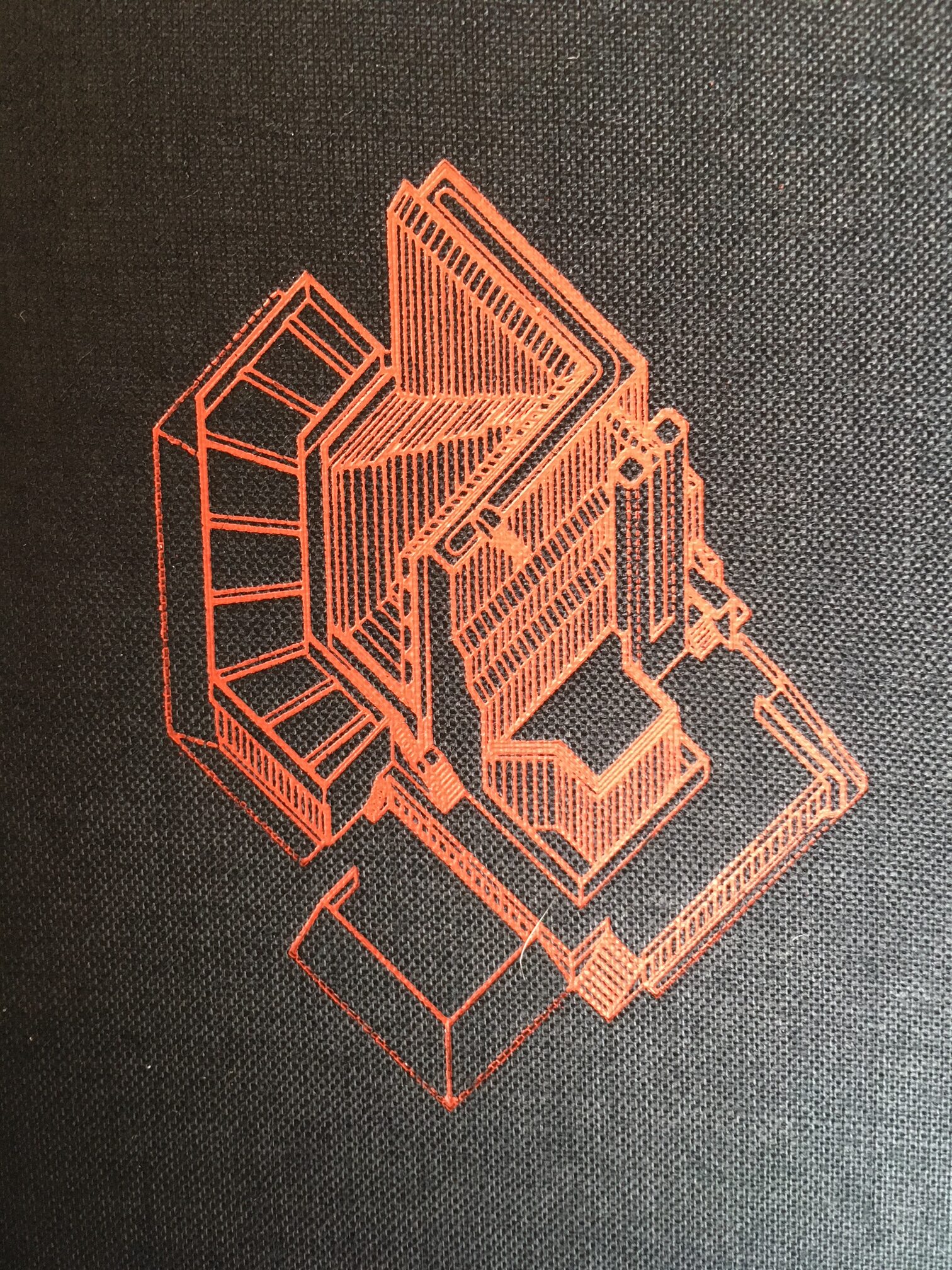
James Stirling: Building and Projects
Jacobus, John. James Stirling: Buildings and Projects, 1950-1974. London: Thames & Hudson, 1975.
“An early Stirling and Gowan project was a group of flats in Ham Common (1955) which was only a couple of miles from Kingston School of Art, where I was a student. We visited the site frequently. In 1960, I visited Leicester University Engineering Building which was to me an absolute epiphany!” – Peter Cardew
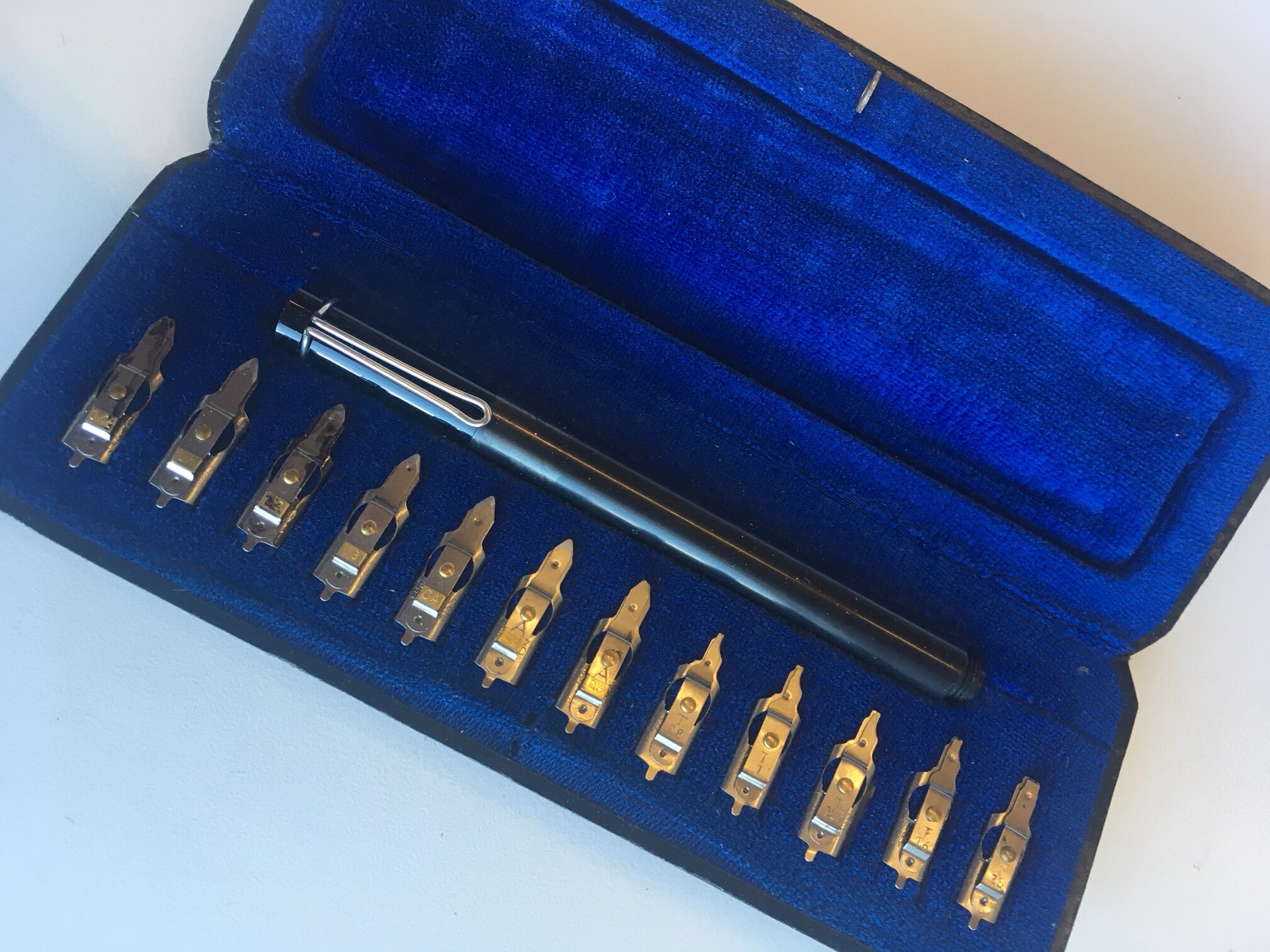
Graphos Pen Set
“Mandatory drawing equipment at Kingston School of Art. Such a superior line than that made by a Rapidograph pen!” – Peter Cardew
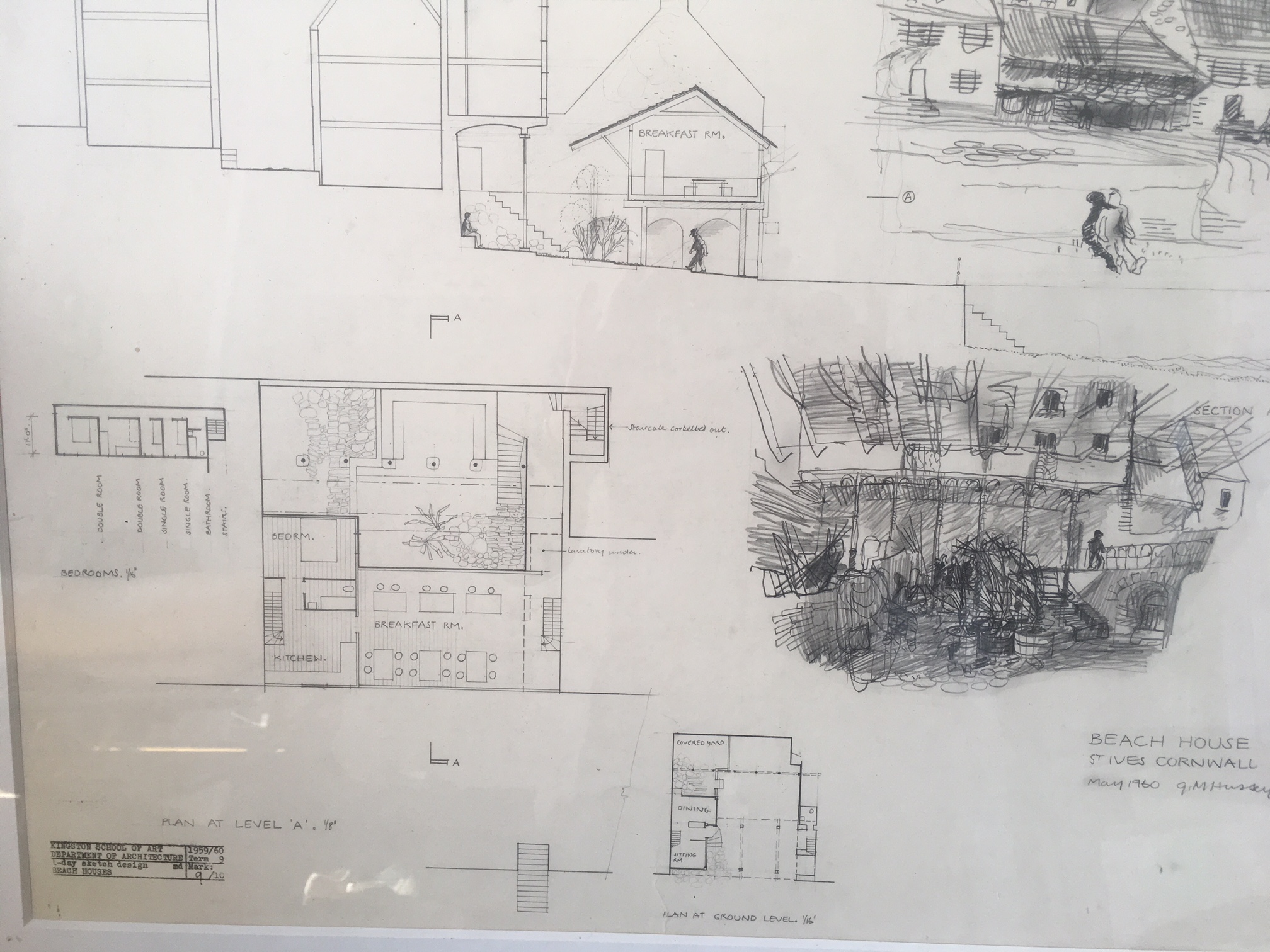
Beach House St. Ives Cornwall
Graham Hussey. Beach House St. Ives Cornwall, c. 1960.
Graphite on Paper.
“1960 drawing by classmate Graham Hussey. Three times a term “one-day sketch design” problems were issued at 9:00am and collected at 4:00pm. The specific detail that so intrigued me in this drawing was in the floor plan, the way the stair was manipulated within the structure. So I asked Graham if I could have it.” – Peter Cardew
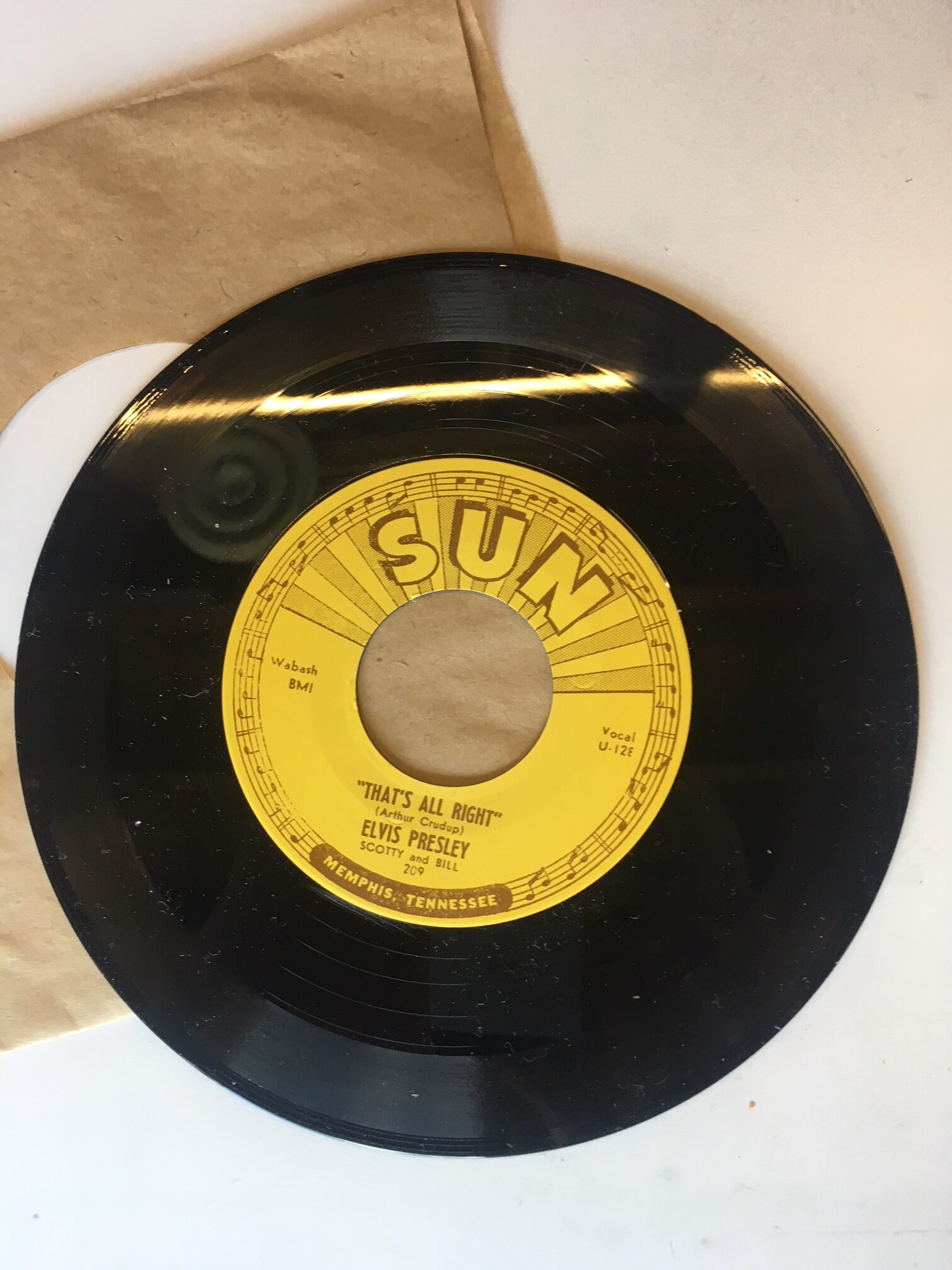
That’s All Right
Elvis Presley. That’s All Right, c. 1954.
Vinyl Record
“Imagine lying in the pastoral comfort of an idyllic Sussex summer, only nine years after the end of the war and hearing THIS! A latent suspicion became a vital belief that a conservative world could be changed irreversibly through artistic energy.” – Peter Cardew
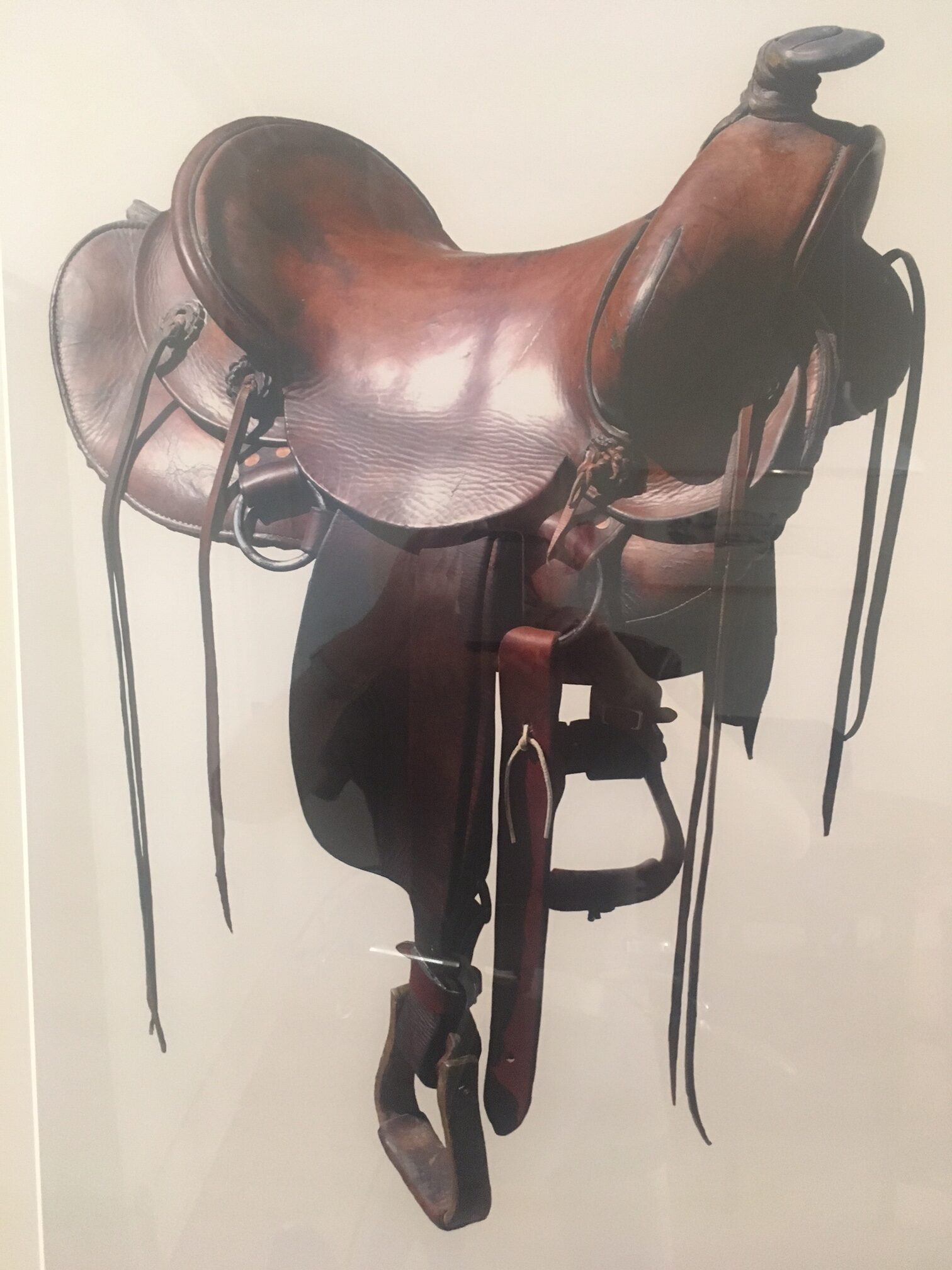
B.C. Saddle
B.C. Saddle, c. 1946
Photograph
“Totally functional, nothing superfluous, timeless, works better and looks better as it ages – What architecture should strive for!” – Peter Cardew
- Peter Cardew (August 2018). Interview with Kim Smith, West Coast Modern League.
- Peter Cardew Personal Archives.