B.C. Binning
Bertram Charles (B.C.) Binning (1909-1976) was one of Canada’s foremost modern artists, an educator, mentor, and early advocate for modern architecture. He is renowned for his immense contributions to modernist art and as a seminal figure at the vanguard of West Coast Modernism. Widely recognized for his transition from drawing to abstract painting in the mid-20th century, Binning advanced a vision in which art, architecture, and everyday life were deeply interconnected. Through his practice, teaching, and advocacy, he helped establish a distinctly regional modernist language in British Columbia and left a lasting impact on generations of artists and cultural institutions.
B.C. Binning was born in 1909, in the small prairie town of Medicine Hat, Alberta. At the age of four, his parents relocated the family to Vancouver, where the coastal environment would be a lasting source of inspiration throughout his life. Due to illness in his youth, Binning spent prolonged periods in seclusion during which time he took up drawing and developed an early interest in art. Raised in a family of architects, Binning had a proclivity for architecture that would inform his artistic vision, yet he instead pursued a career in graphic art. In 1927, he enrolled at the Vancouver School of Decorative and Applied Arts (later known as the Vancouver School of Art and today Emily Carr University of Art and Design), studying under the tutelage of prominent artists Jock Williamson Galloway Macdonald, Frederick Horsman Varley, and W.P. Weston. From 1933 onwards, he would teach drawing and commercial art at the school, followed in 1938 by an educational leave abroad in London, England, studying with Mark Gertler, Bernard Meninsky, and renowned modernist Henry Moore, and at the Art Students League of New York.
Near the end of the 1930s, Bert would marry Jessie Wyllie, daughter of a Vancouver businessman, whose partnership would prove central to his personal and professional life. Together, the pair cultivated an active social scene, hosting artists, architects, and writers in their home and fostering interdisciplinary dialogue around modernist ideas. The couple fostered friendships with prominent figures such as Lawren and Bess Harris, Gordon and Marion Smith, Orville Fisher, Fred Amess, John Koerner, Jack and Doris Shadbolt, Lionel Thomas, and Bruno and Molly Lamb Bobak. Bert’s affinity for modern architecture also placed him amongst architects such as Peter Thornton, C.E. (Ned) Pratt, John Porter, Frederic Lasserre, and Fred Hollingsworth. In 1941, the couple would build a modest home for themselves that would serve as their space for daily living and a venue for cultural exchange.
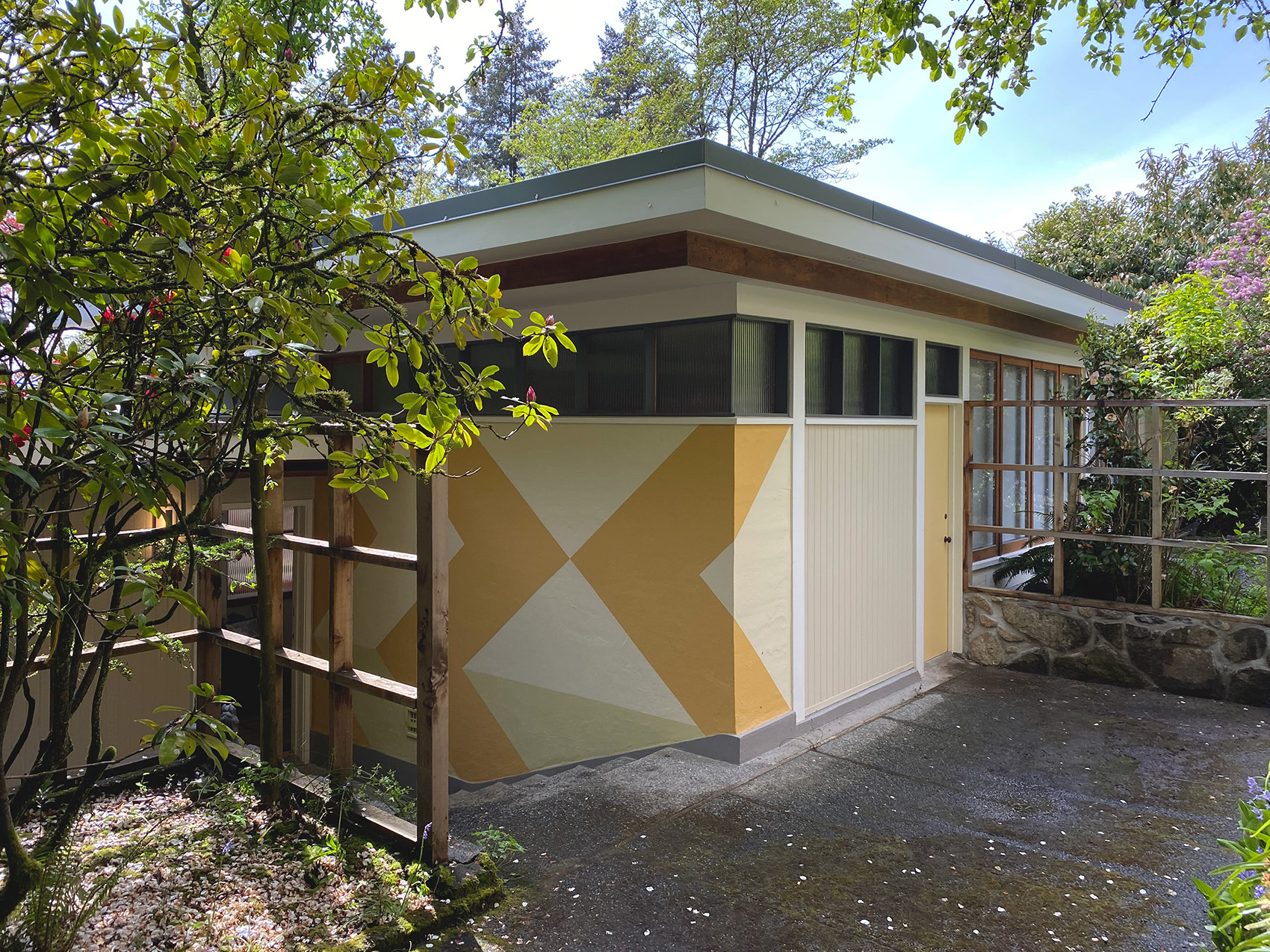
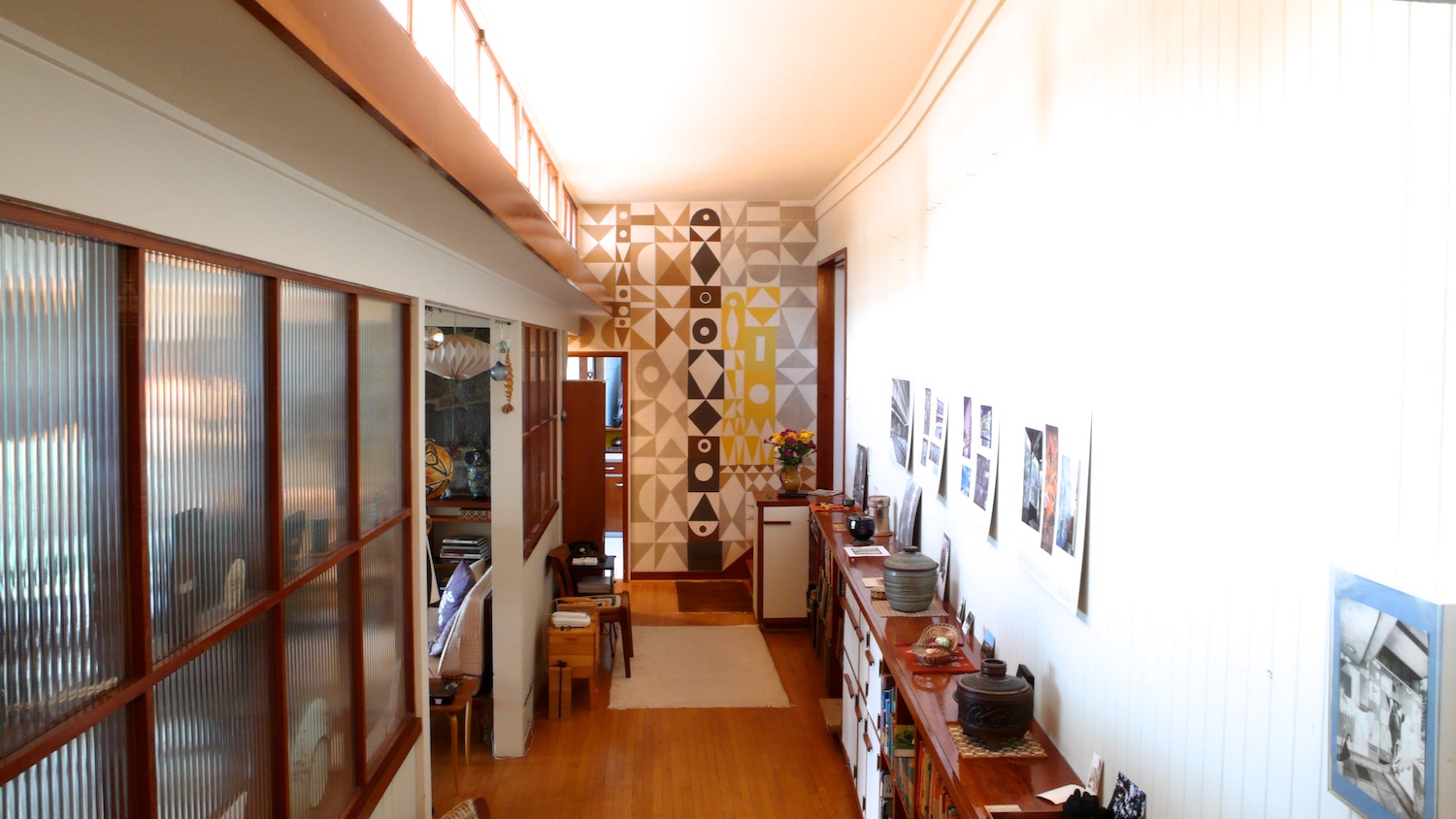
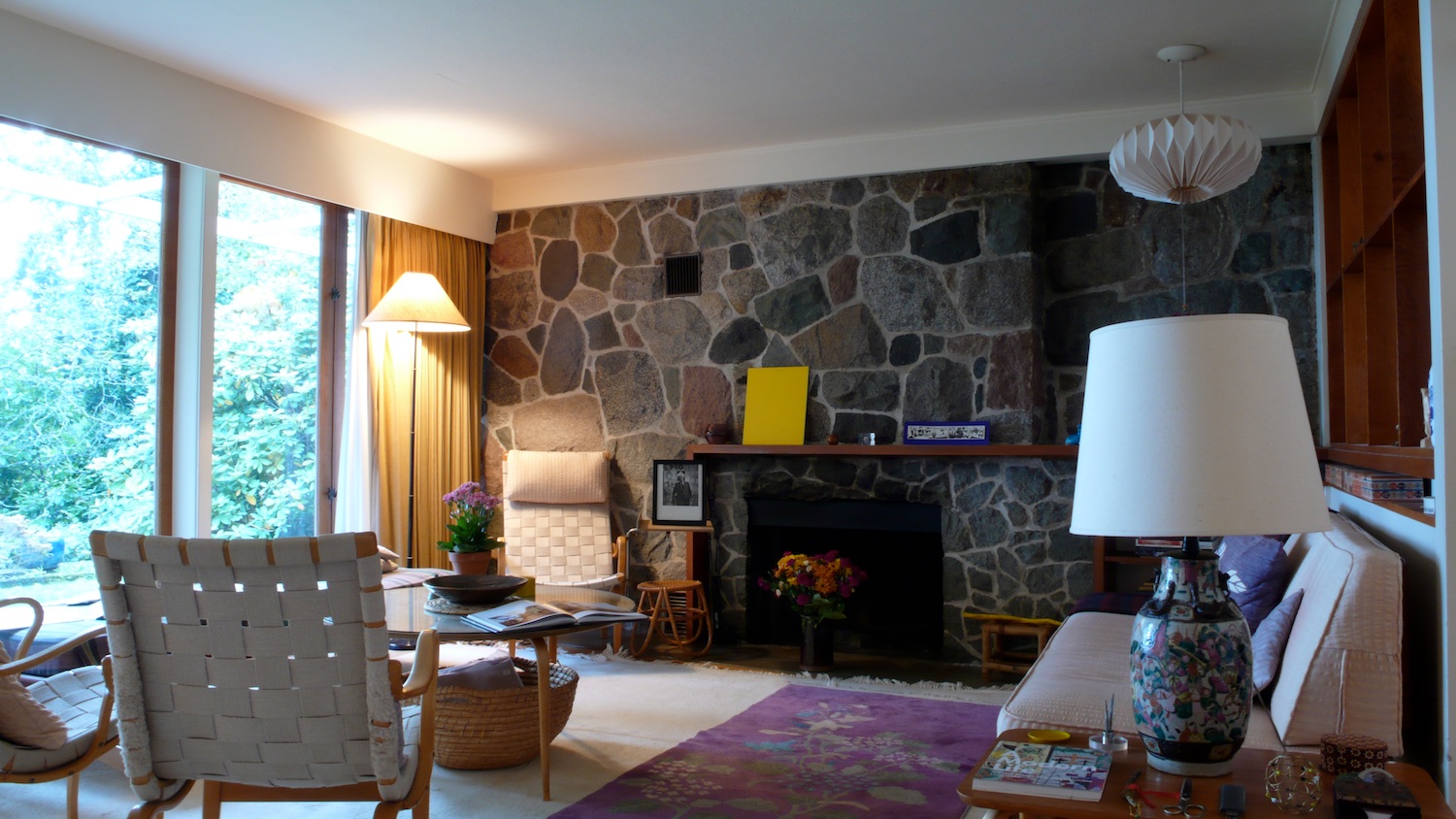
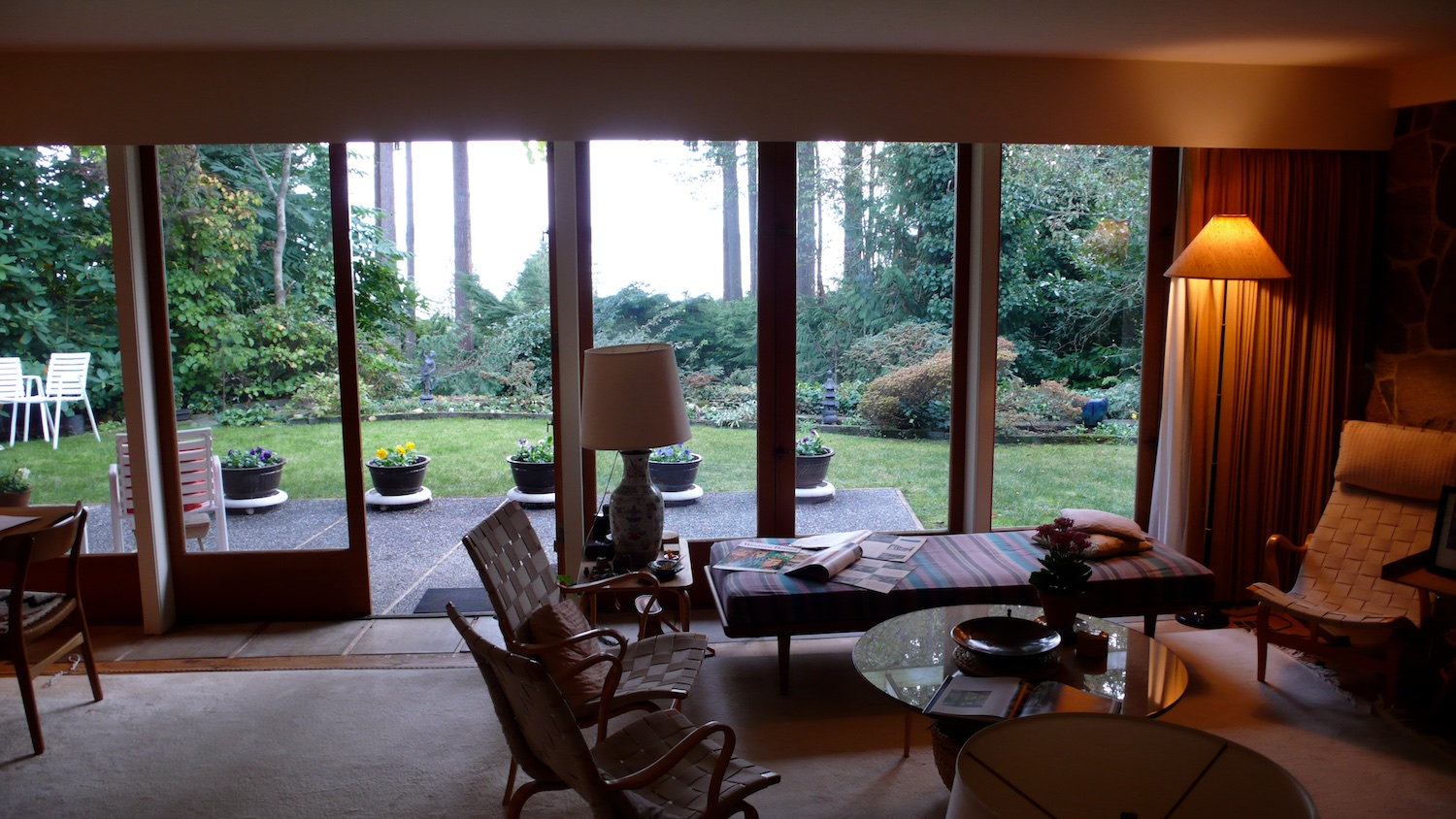
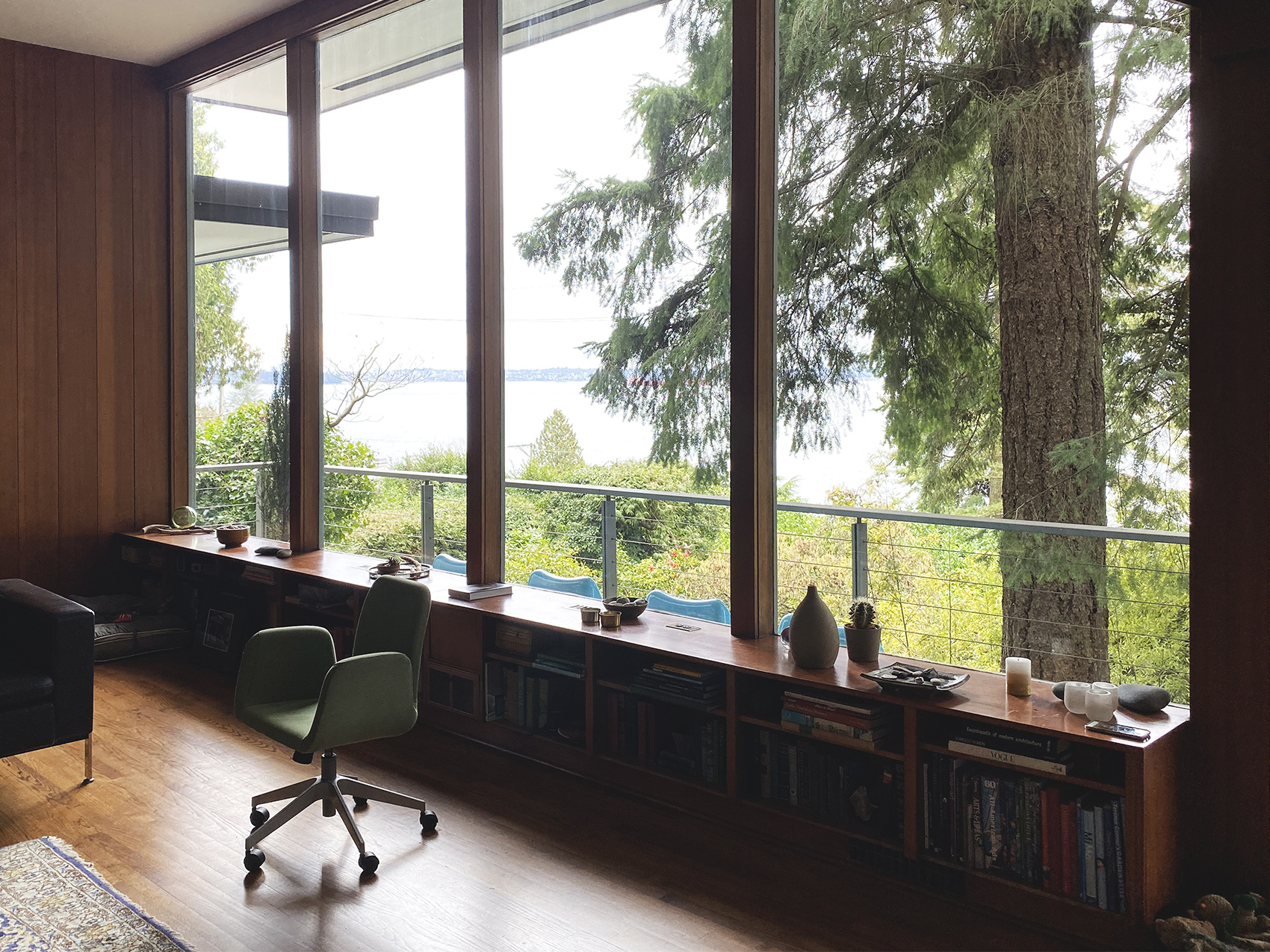
B.C. Binning, with consulting architects Ned Pratt and R.A.D. Berwick, explored daring and innovative ideas in the conceptualization of this new home, famously known as the B.C. Binning House. In a world in turmoil and undergoing cultural, social, and economic change, the design reflected contemporary notions of living, the merging of abstracted art with architecture and its environment, along with economical building techniques and local materials. Consisting of a simple rectangular volume under a flat roof, the two-bedroom, split-level, post-and-beam house stepped down the slope of the site, nesting into the topography. A largely open living space was connected to the garden with large windows and doors opening onto a south-facing terrace with a trellis overhead adorned in vines. Roof overhangs were enlarged to provide enhanced shelter from the southern exposure and often rainy skies. Large murals painted on interior and exterior walls, along with a hallway doubling as a gallery of rotating artworks, ensured that the art would serve as an integral part of the architectural experience, with each supporting and evolving together overtime. Renowned in art and architecture circles, this home, constituted of new ideas, was intended to serve as a prototype for modern domestic design. For its ingenuity and expression as a new, modern way of living on the west coast, it is recognized as the first house of the West Coast Modern movement and has influenced the design of thousands of homes since.
Binning’s early artistic reputation was largely built on his drawings, but by the mid-1940s he began exhibiting semi-abstract paintings that would largely define his mature work. His art incorporated bright primary colours, calligraphic forms, and lyrical compositions, often inspired by ships, marinas, and the coastal landscapes of British Columbia. In 1946, Binning was a founding member of the Art in Living Group, which promoted the integration of modern art into everyday environments. The group’s 1949 exhibition Design for Living at the Vancouver Art Gallery marked a key moment in the dissemination of modernist ideas across the region. The exhibition featured four prototype homes integrating the architecture with the work of Vancouver artists and craftspeople. Attended by over 14,000 visitors, the exhibition is thought to have demarcated a mainstream interest in West Coast Modernism.
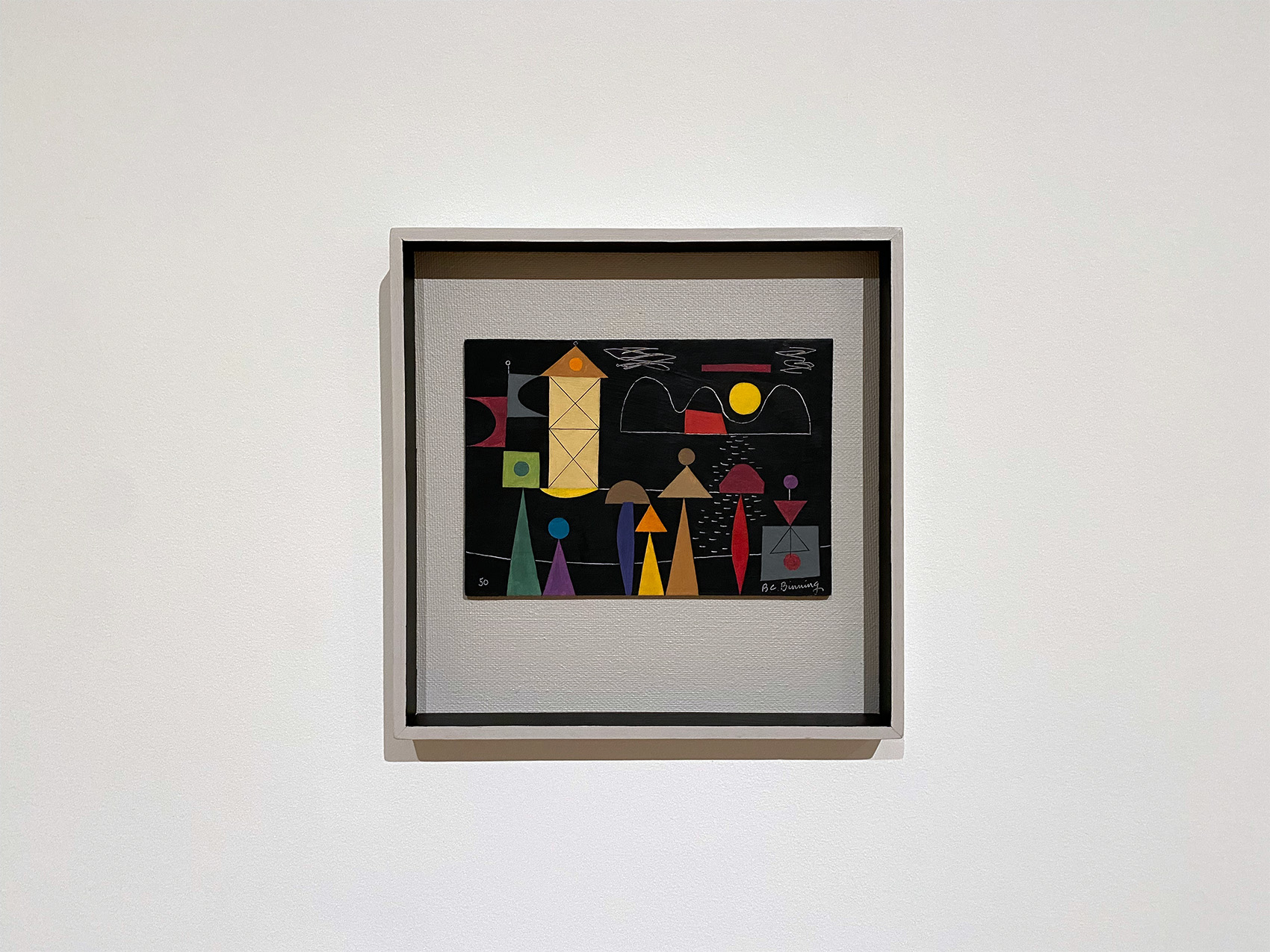
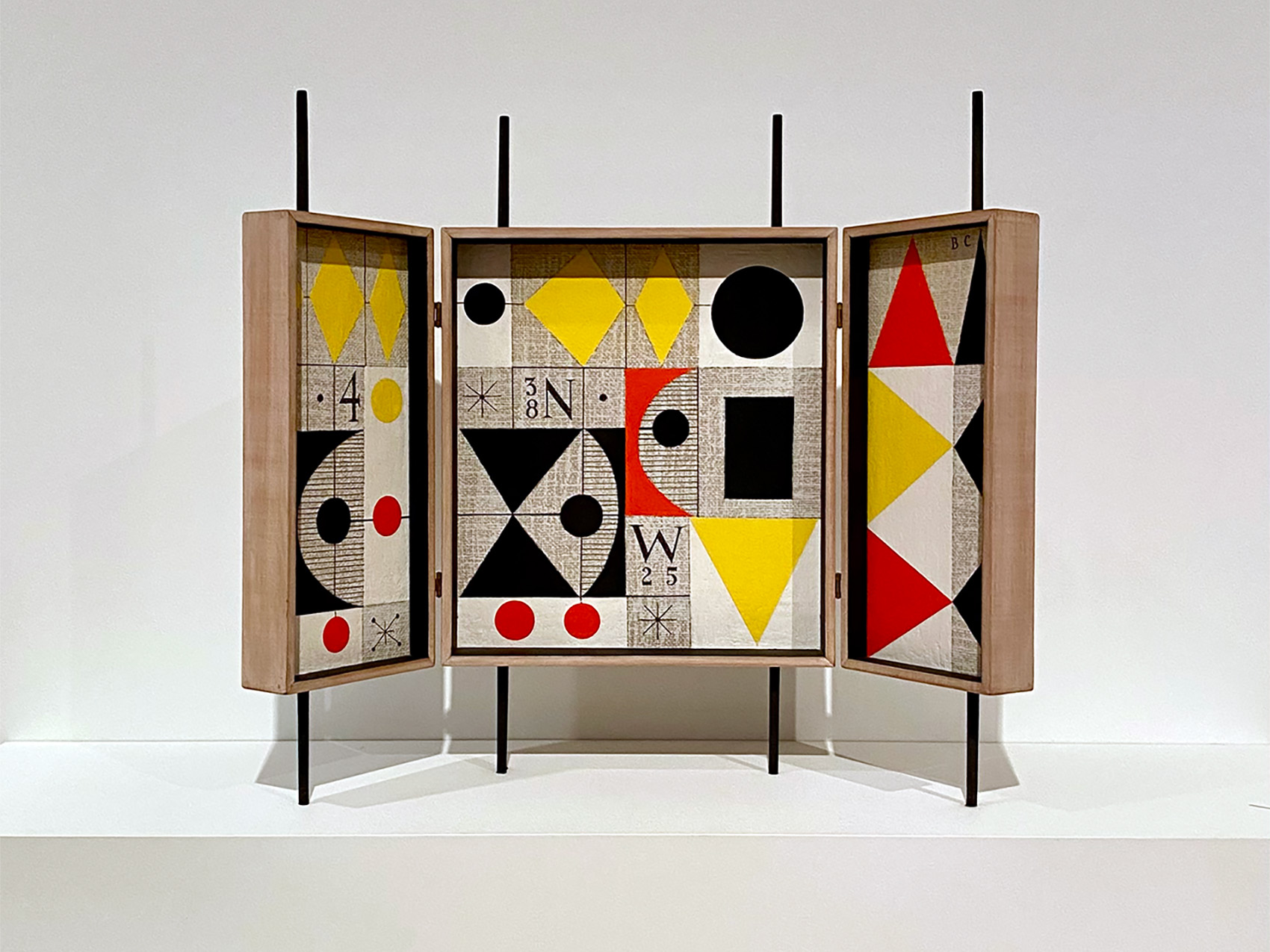
As exhibited at the Audain Art Musem (2026).
In 1949, B.C. Binning also joined the University of British Columbia at the invitation of Frederic Lasserre, the first Director of the new School of Architecture. Bert was mandated to teach art courses to architecture students and soon took it upon himself to elevate the arts to the general student body on campus. He would go on to establish and serve as the founding Director of the Department of Fine Arts in 1955, serving as its head for over 25 years, and as Director and Curator of its gallery. He also founded and presided over the UBC Festival of the Contemporary Arts, an influential interdisciplinary event during the 1960s that brought avant-garde ideas to Vancouver. Famously, he would invite Richard and Dionne Neutra to Vancouver on several occasions to lecture and participate in salons at the Binning House, affording students the opportunity to engage intimately with the illustrious and influential California modernist. It was through these roles as an educator and incubator of design talent that Binning would influence the trajectory of some of Vancouver’s most notable architects, including Ron Thom, Arthur Erickson, Geoffrey Massey, and Barry Downs, and underpin the foundation of a regional west coast modernist language.
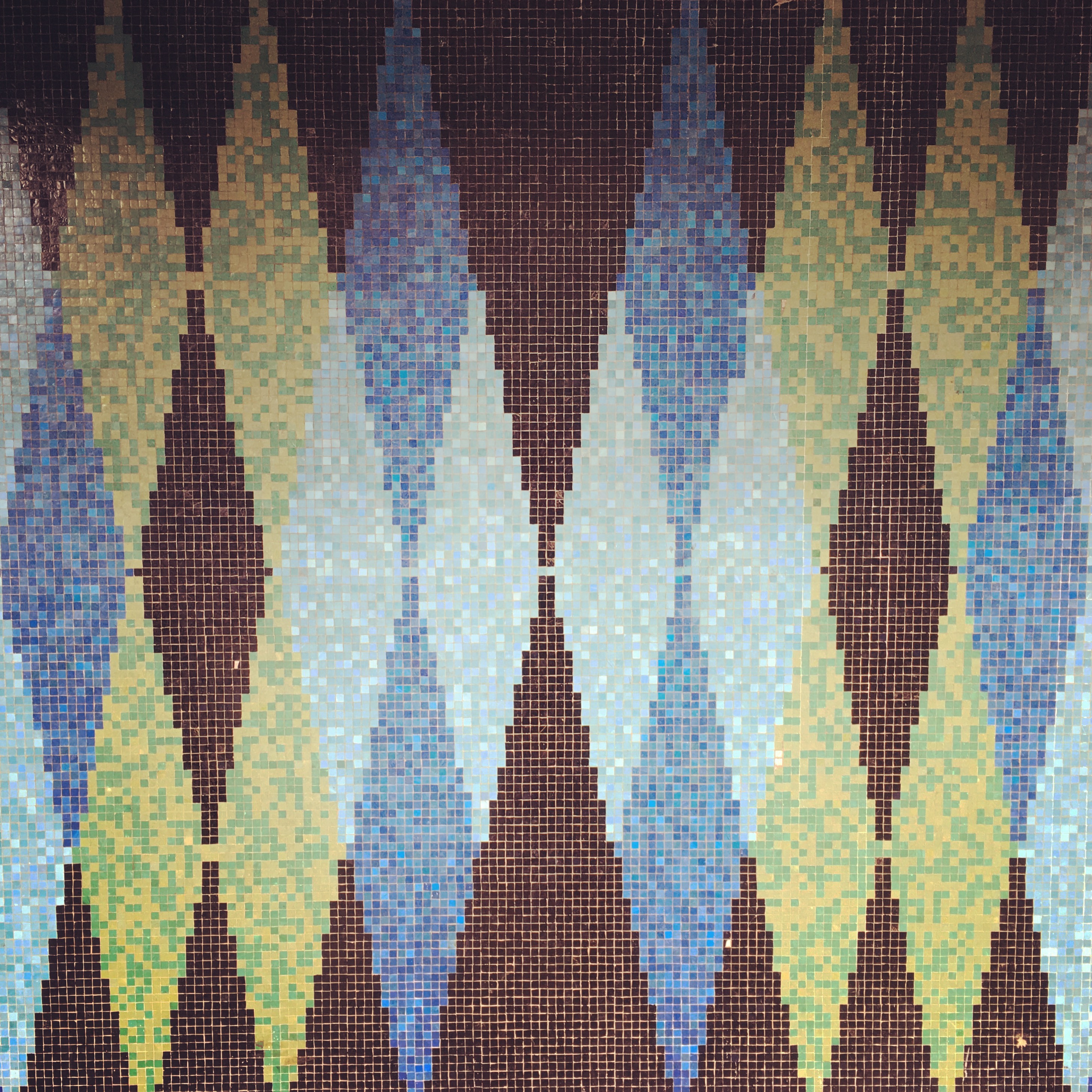
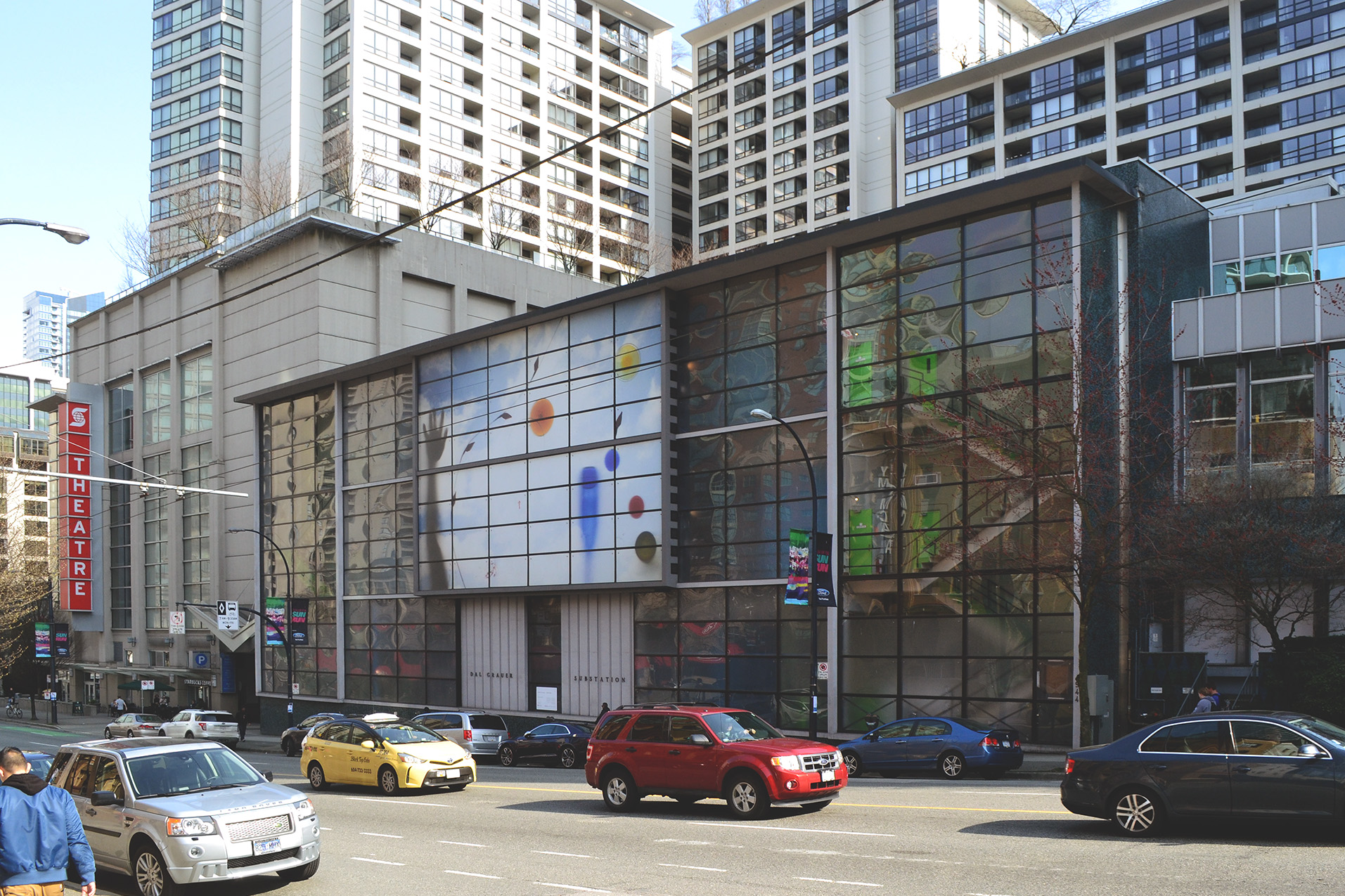
Over the course of his career, Binning’s work achieved national and international recognition, including his participation in the 1954 Venice Biennale alongside Paul-Émile Borduas and Jean-Paul Riopelle. His works have since been widely exhibited and are held in major public collections across Canada. Further to his own home in West Vancouver, his works also extended into the built environment. This can be seen in such projects as the tile mosaics of the B.C. Electrical Building, the composition of brilliant colours enhancing the architectural and industrial elements of the Dal Grauer Substation, the tile mosaic mural of the Imperial Bank of Commerce (today a Shopper’s Drug Mart), the colour scheme for the former Port Mann Bridge, and the painted murals of the O’Brien Advertising Centre, among a handful of residential projects. B.C. Binning’s contributions and influence are unmatched in the realms of modern art and architecture on Canada’s west coast, and as a catalysing force behind the emergence and proliferation of West Coast Modernism.